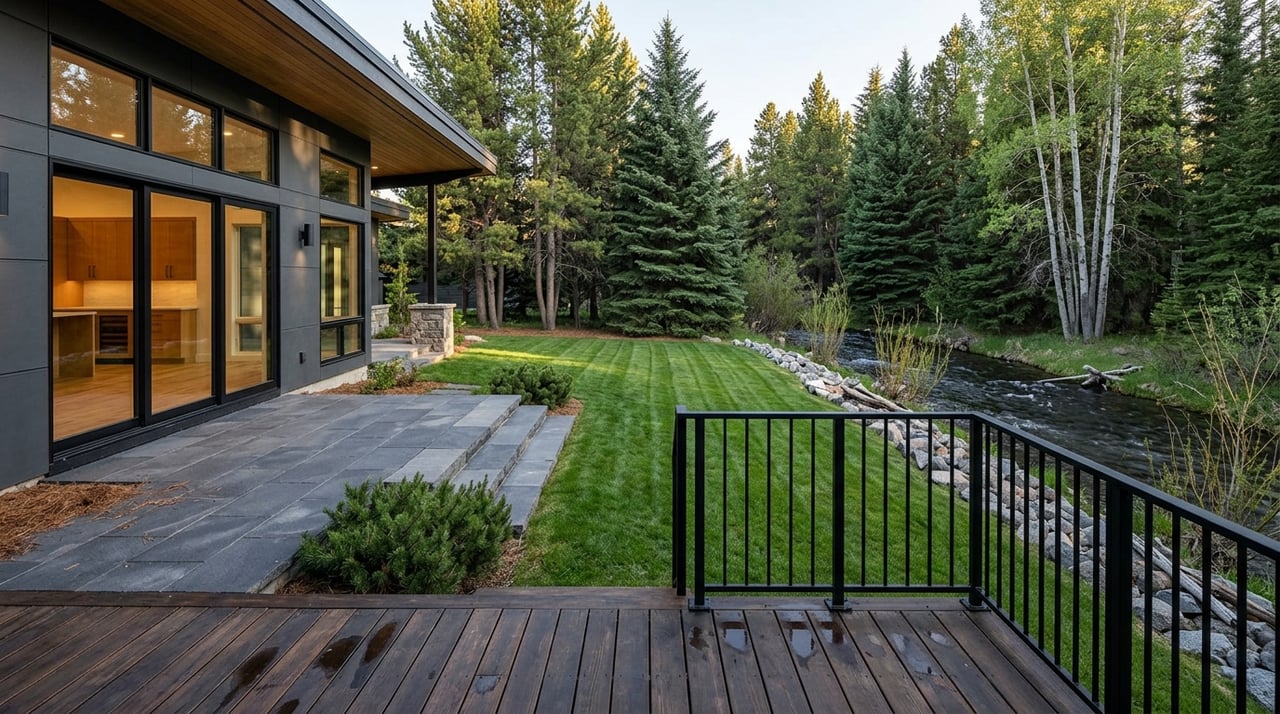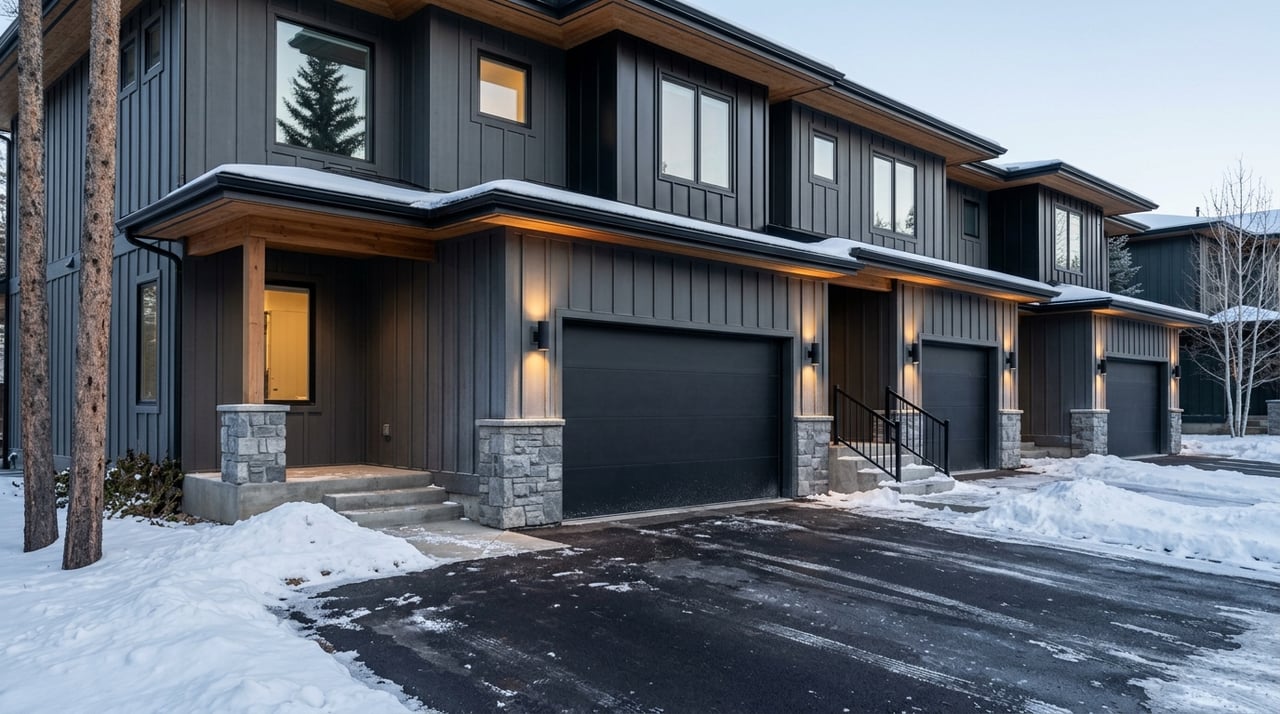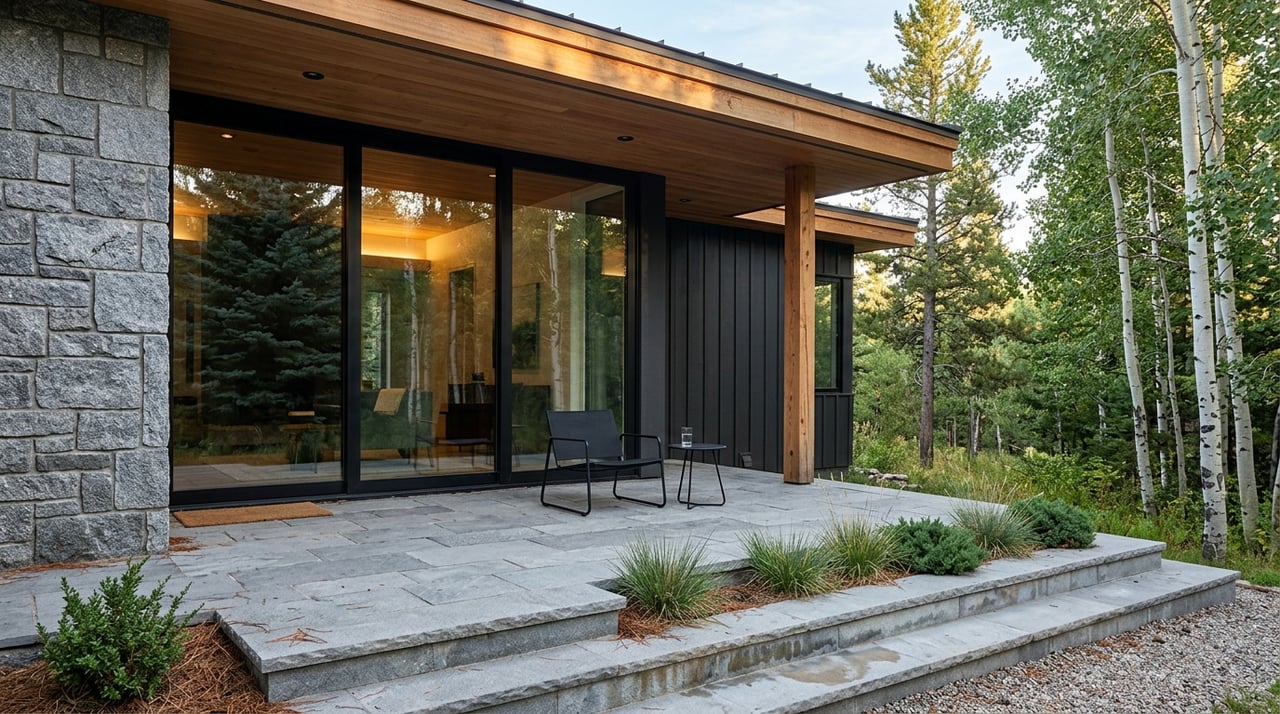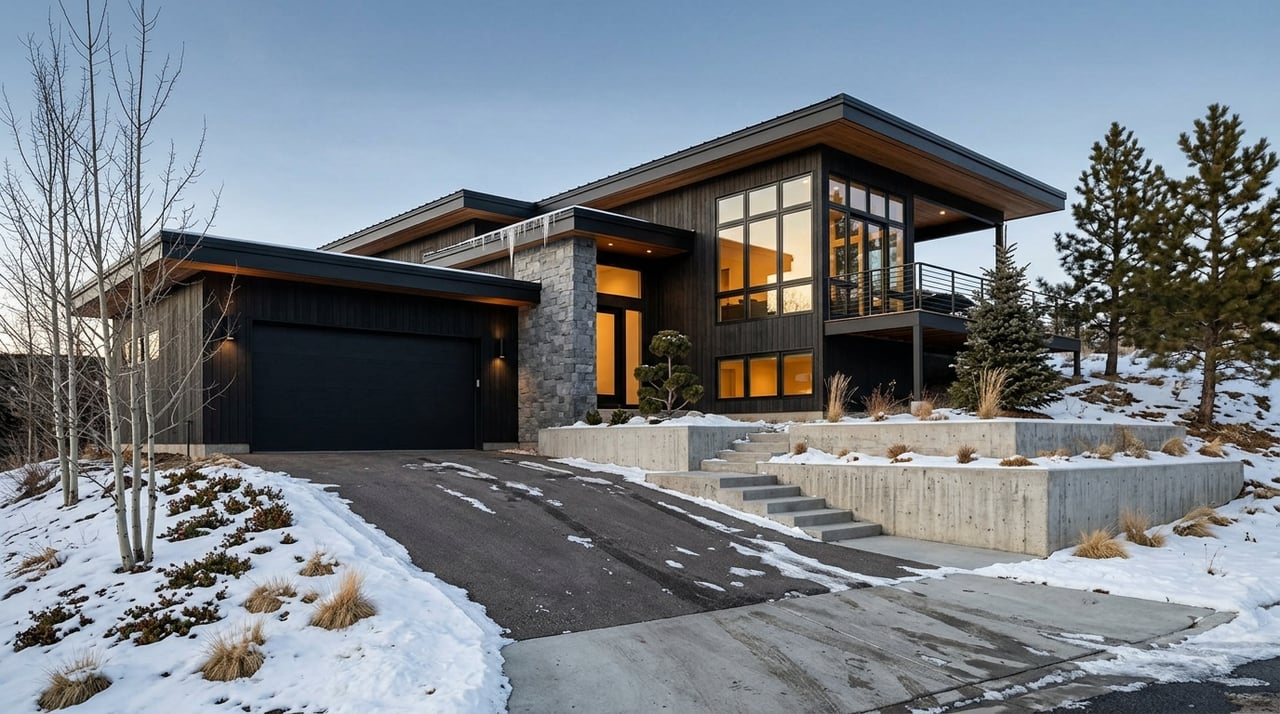
Thinking about building a custom home in Silverthorne? The view may be what pulls you in, but the lot itself, the town review process, and the realities of mountain building are what shape the final result. If you want a home that feels intentional, performs well in every season, and fits the parcel from day one, it helps to understand the local layers before you buy or design. Let’s dive in.
Why Silverthorne Custom Builds Are Different
Silverthorne’s planning framework emphasizes authentic mountain character, modern design, and integration with the natural environment. In practical terms, that means a custom build is rarely just a matter of drawing plans and pulling a permit. Your lot, zoning, design standards, and site conditions all work together to influence what can be built.
For buyers exploring land or teardown opportunities, this matters early. Two properties with similar views can come with very different rules, access challenges, and design limitations. A careful, parcel-specific review is one of the smartest first steps you can take.
Start With Approval Layers
In Silverthorne, custom-build approvals often happen in layers. The Planning Department oversees items such as site plan proposals, rezonings, PUD designations, conditional use permits, variances, and annexations, and many planning applications require a pre-application meeting before formal submittal.
Some single-family building permits and smaller residential projects do not typically go to Town Council or the Planning Commission. Even so, they still need to meet the applicable code, building-review requirements, and any overlaying standards that apply to the property.
Why Parcel-Specific Rules Matter
A key issue for custom homes is whether a lot sits within a planned unit development, also called a PUD. In Silverthorne, a PUD can create parcel-specific rules for setbacks, lot coverage, building height, architectural design, and residential density.
That can be a major advantage or a major constraint, depending on your goals. A lot may appear straightforward at first glance, but PUD rules can shift what is realistic for massing, roof form, garage placement, or outdoor living areas.
District Standards Can Add Another Layer
Silverthorne also uses district standards and design documents that sit on top of the town code. When standards conflict, the stricter standard controls.
That means you should not evaluate a lot based on zoning alone. It is important to confirm whether the parcel is also in a design district, within a PUD, or subject to a homeowners association or sub-association review process.
Evaluate the Lot Before You Fall for the View
In Silverthorne, lot selection is about far more than scenery. Driveway grade, snow storage, drainage, utility tie-ins, and site access can be just as important as orientation and outlook.
The town’s site-development standards also emphasize safety from fire, flood, geologic hazards, and other natural hazards. On a mountain parcel, these factors can shape both your design and your construction budget.
Height and Setbacks on Sloped Lots
Sloped sites need special attention because Silverthorne measures building height from the average pre-development grade at four points of the structure to the highest point of the roof. That makes grading decisions especially important when you are planning a home on a hillside lot.
There is another detail that often surprises buyers. Decks and balconies that are 30 inches and above are treated as part of the building for setback purposes, which can affect how outdoor spaces fit on tighter parcels.
View Protection Is Not One Rule Townwide
The reviewed materials do not show one townwide residential view-corridor rule. Instead, view and massing issues appear to be handled case by case through zoning, site-plan review, PUD standards, and HOA review where applicable.
That makes due diligence especially important. If a view is central to your purchase decision, it is worth understanding how the surrounding parcels are governed and what that could mean over time.
Know When HOA Review Applies
Some Silverthorne neighborhoods add a separate design-review step beyond town approvals. In the Eagles Nest and Three Peaks area, for example, ENPHA describes a community of more than 800 properties across two neighborhoods, and its DRC reviews new construction, monitors the construction process, and meets monthly.
If you are considering a lot in an HOA-governed area, the association’s rules may shape materials, landscaping, tree removal, and construction procedures. Those requirements should be reviewed early, not after plans are already underway.
Golf-Adjacent Homes Have Context Too
In The Ranch at Eagles Nest, which sits adjacent to the Raven Golf Course, ENPHA describes a setting characterized by wood-framed homes, asphalt-shingled roofs, two-car garages, and irrigated landscaping. That does not mean every future home must look identical, but it does signal the existing built context that may inform review.
For a design-forward buyer, this is where local guidance matters. The best custom homes respond to both the site and the neighborhood framework rather than treating the lot as a blank slate.
Design for Year-Round Mountain Living
Silverthorne’s design standards focus on site orientation, access, parking, landscaping, lighting, screening, building height, form, mass, materials, colors, and roofing. The town states that these standards are intended to guide property owners and help preserve value and quality.
That is especially relevant if you are building a full-time residence or a second home you plan to enjoy in every season. A visually striking home matters, but so does how the home works on a snowy January morning or during shoulder-season weather swings.
Prioritize Solar Access and Entry Comfort
Silverthorne’s standards encourage passive solar access and discourage north-facing main entries. In mountain conditions, that can have a meaningful impact on comfort, snow buildup, and how welcoming the home feels in winter.
While not framed as a formal checklist item, the standards support practical design choices. Protected entries, mudroom or gear storage, and living spaces oriented to daylight are often smart moves for year-round usability.
Think Carefully About Snow Management
Roof design is not just aesthetic in Silverthorne. The town’s standards say roofs should be designed so snow does not dump onto walkways, decks, balconies, entryways, or parking areas.
That one requirement influences roof form, drainage strategy, and how outdoor circulation areas are placed. It is a good example of why mountain architecture needs to balance clean design with daily function.
Keep Materials Durable and Contextual
Silverthorne’s design materials point toward subdued, compatible exterior colors and durable materials that fit the mountain setting. Mechanical equipment, utility boxes, and rooftop systems are also meant to be visually minimized.
Solar panels are expected to be integrated into the roof or building form, and durable, subdued roof materials are preferred. For buyers with a modern design eye, that often aligns well with a restrained mountain palette and a more cohesive exterior composition.
Plan for Water and Landscape Early
Landscaping should be part of the design conversation from the beginning, not the end. Silverthorne is under mandatory Phase 3 Water Restrictions effective May 28, 2026, which makes irrigation planning and plant selection especially important.
If you are evaluating a lot or reviewing early design ideas, it is wise to think about how outdoor spaces will function with water sensitivity in mind. In custom mountain builds, the landscape plan is part of how the home fits the site.
Understand Construction Logistics Up Front
A beautiful plan can still run into delays if the construction process is not set up correctly. Silverthorne requires a construction management plan with every building permit, including erosion and sediment controls.
If total site disturbance reaches 1 acre or more, a Colorado construction stormwater discharge permit is required. These are not small technicalities. They are core parts of how a project moves forward.
Construction Hours and Site Rules
Silverthorne’s construction hours are 7 a.m. to 7 p.m., Monday through Saturday. No construction is permitted on Sundays or federally designated holidays.
The town also requires site containment, dumpsters, temporary address posting, and other housekeeping measures. On tighter mountain streets or in established neighborhoods, these details play a real role in day-to-day construction management.
Separate Permits Can Affect Timing
Not every permit comes from the same office. Silverthorne issues plumbing and mechanical permits separately, while electrical permits are issued separately by the Summit County Building Department.
The town’s building-code resources also list 2018 International Building Code and Fire Code amendments, along with 2023 NFPA 70 adoption for electrical work. For custom builds, permit coordination is part of keeping the project timeline realistic.
Foundation, Utilities, and Occupancy Steps
Before foundation work, an improvement location certificate must be approved. For winter landscaping approval, the town can require security equal to at least 150% of the estimated landscaping cost before a certificate of occupancy is issued.
For new residences, water and sewer tap fees are collected before a building permit is issued, and the utility department uses EQRs to determine service needs. These steps are important budgeting items, especially for buyers comparing lot opportunities.
Fire Awareness Matters in Wooded Settings
In wooded neighborhood environments, fire prevention should be part of the planning discussion. ENPHA advises property owners to remove dead trees and shrubs, and before removing any tree more than 5 feet from a structure or larger than 6 inches in diameter, owners must contact the DRC.
That is one more reason local review matters. The design of the home, the landscape, and the construction plan should all respond to the site as it actually exists, not just as it appears on a marketing brochure.
What Smart Buyers Should Focus On
If you are exploring custom-build options in Silverthorne, the biggest takeaway is simple: do not evaluate a parcel in isolation. The best opportunities are the ones where slope, access, zoning, design standards, HOA rules, and year-round livability all align.
From a design perspective, Silverthorne rewards thoughtful planning. Homes that respond well to solar orientation, snow management, durable materials, and the natural setting tend to make more sense on paper and in daily life.
For buyers looking at premium land or future-build opportunities, this is where a local, design-aware lens becomes valuable. A strong custom-build decision is not just about what you can draw. It is about what the parcel can truly support, and how well the final home will live in the mountain environment.
If you are considering a lot, evaluating a teardown, or comparing custom-build opportunities in Silverthorne, Marty Frank can help you assess parcel context, design potential, and the local factors that shape a successful mountain home.
FAQs
What approvals does a custom home in Silverthorne usually need?
- A custom home may involve town code and building review, and it may also require planning review, PUD or design-district compliance, and HOA design review depending on the parcel.
What should you check before buying a buildable lot in Silverthorne?
- You should confirm zoning, whether the lot is in a PUD or design district, whether an HOA review applies, and how slope, access, drainage, snow storage, and utility tie-ins could affect the project.
How is building height measured for a Silverthorne custom build?
- In Silverthorne, height is measured from the average pre-development grade at four points of the structure to the highest point of the roof, which makes grading decisions important on sloped lots.
Do HOA rules affect custom builds in Silverthorne neighborhoods?
- Yes. In some areas, including Eagles Nest and Three Peaks, HOA or DRC review can add another approval layer for new construction and related site decisions.
What mountain-design features matter most for a Silverthorne custom home?
- Key considerations include solar orientation, avoiding snow shedding onto circulation areas, using durable materials, minimizing visible mechanical systems, and planning practical year-round features such as protected entries and gear storage.