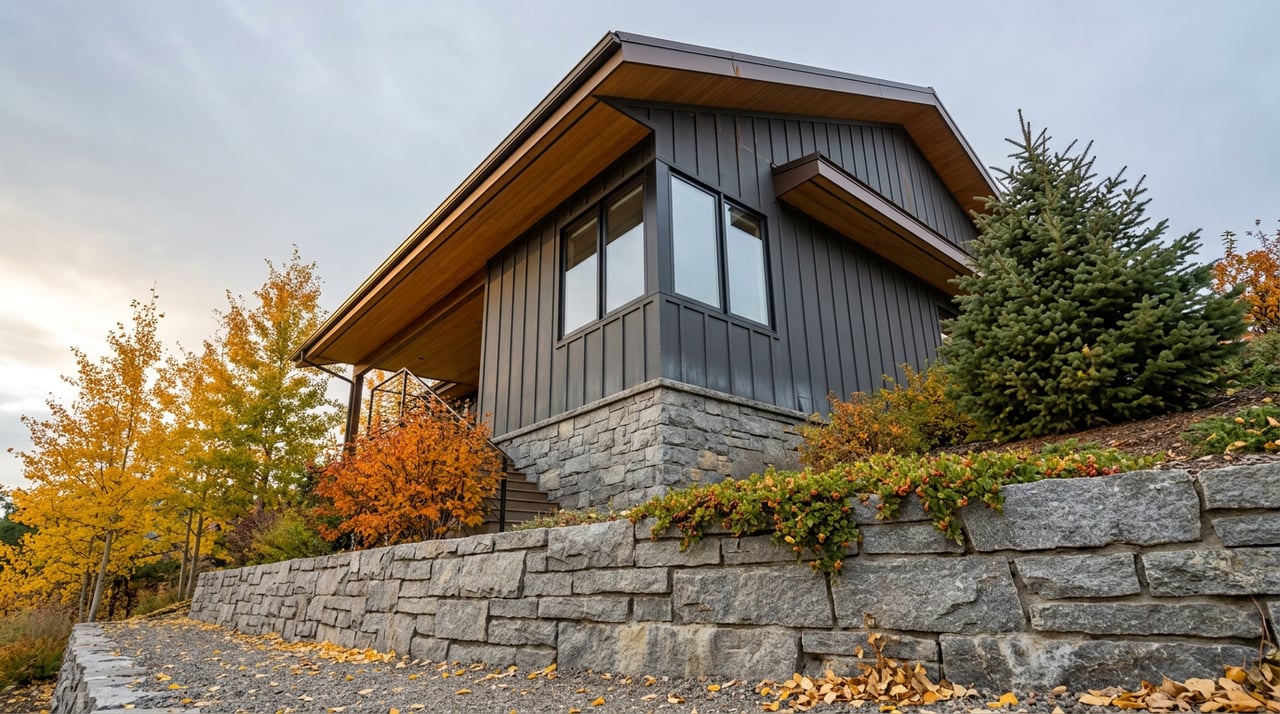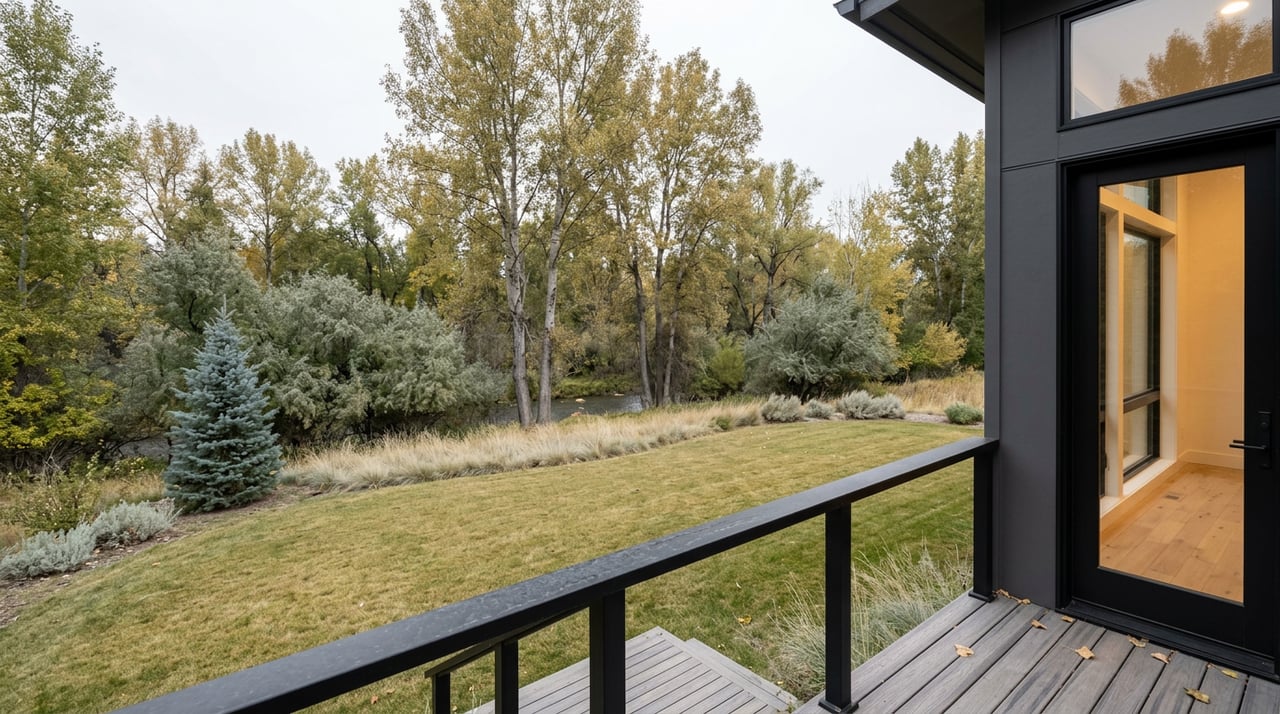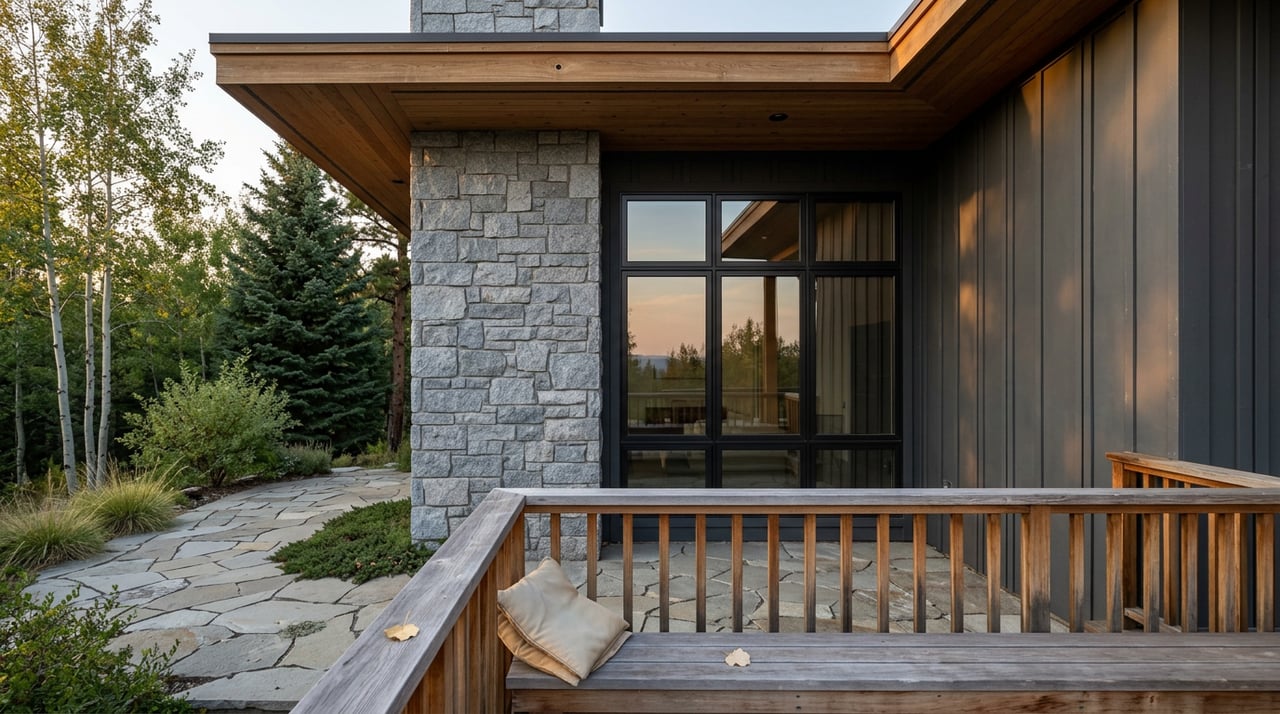
Buying new construction in Keystone can feel like getting the best of both worlds: a fresh mountain home and the chance to tailor details to your life. But a builder contract, a resort-market timeline, and mountain-site requirements can also make the process more complex than many buyers expect. With the right broker involved early, you can move through the decision-making with more clarity, stronger coordination, and fewer surprises. Let’s dive in.
Why Keystone new construction is different
Keystone is not just another mountain submarket. The Town of Keystone completed incorporation on February 8, 2024, and its Community Development Department now handles development review within town boundaries. The town also states that a valid Town of Keystone development permit must be issued before applying for building-related permits.
That matters because new construction here involves more than choosing a floor plan and finishes. The town says Summit County Building Inspection handles structural, electrical, plumbing, and mechanical code review and inspections, so buyers are often looking at a layered process rather than a single approval path. In a resort community with about 1,300 full-time residents, more than 3,600 condominiums and homes, and peak ski-weekend population swings up to 25,000, timing, use, and delivery can carry extra weight.
Why broker timing matters
One of the biggest mistakes buyers make is waiting too long to bring in their broker. In Colorado, the Department of Regulatory Agencies explains that a licensed broker may represent you through an agency relationship or act as a transaction-broker. Those roles are not the same, and the disclosure must be made in writing at the earliest reasonable opportunity, before the broker starts discussing confidential details like your motivation or financial qualifications.
In practical terms, that means early clarity matters. If you visit a sales office, start comparing lots, or discuss terms before your representation status is clear, you may be deeper into the process than you intended. A broker who is engaged early can help you understand who represents whom, how the process is likely to unfold, and where you may want added review from other professionals.
Who the builder sales team represents
When you walk into a model home or sales center, it is easy to assume the on-site team is there to guide everyone equally. In reality, the builder is the seller, and Colorado rules treat homebuilders as Selling Principals in many new-construction transactions. That distinction is important because the builder’s team is part of the seller-side process.
Your broker’s role is different. Depending on the relationship disclosed, your broker may advocate for your interests or serve in a neutral transaction role, but either way, you benefit from having your own point person before pricing, upgrades, deposits, and timelines become more complicated.
New-construction contracts are not standard resale contracts
This is one of the most important legal and practical points for buyers. Colorado DORA’s Commission Position 1 states that the standard Commission-Approved Contract to Buy and Sell Real Estate is intended for existing construction and should not be used when the seller is selling new, incomplete, or speculative construction.
Most builders use their own contract forms. DORA also states that when a buyer is using a Selling Principal’s non-Commission-Approved forms, a broker may assist with the transaction but may not advise on the legalities or risks of those forms. When legal questions come up, buyers should be referred to legal counsel.
That does not make builder contracts unusual or automatically problematic. It simply means you should expect a different framework than a resale transaction, and you should assemble the right team early so contract review, deposit structure, change-order terms, completion timing, and closeout expectations are all understood.
What a broker helps you evaluate
A good new-construction purchase is about more than choosing the nicest look in the design center. In Keystone, your broker can help you compare the property in a broader context that includes build quality, site realities, future use, and likely resale fit.
Here are a few areas where that guidance matters:
Site and permitting context
Mountain construction has a site story, not just a floor plan story. Summit County’s single-family permitting guidance recommends a pre-submittal meeting with Planning and Engineering and highlights issues such as zoning, setbacks, drainage, driveway access, landscaping, and utility placement. Those topics can affect timeline, usability, and what ultimately gets built.
Wildfire mitigation is also part of the equation. Summit Fire & EMS states that properties under construction in Summit County are subject to wildfire-mitigation requirements, and a wildfire-mitigation permit is needed for sign-off on the preliminary building-permit card. It also notes that a preliminary wildfire inspection is required after the foundation is poured and before certificate of occupancy.
Finish packages and long-term value
Upgrades are not only about style. Colorado DORA notes that an appraiser evaluates contract price in light of the home’s condition, location, and features, which means finish quality and specifications can influence how the property is viewed by lenders and future buyers.
In a design-driven market like Keystone, that makes finish selection a strategic choice. Durable surfaces, maintenance-conscious materials, and coherent architectural detailing may support both day-to-day ownership and long-term marketability better than upgrades chosen only for immediate visual impact.
HOA documents and use rules
If you may use the property part-time or rent it in the future, review use restrictions early. The Town of Keystone’s short-term rental page explains that STR licenses within town boundaries are administered by the Town of Keystone, while HOA rules may differ and are a separate layer of restriction.
That distinction is critical. Town approval does not override private HOA rules, so buyers should review both sets of documents during due diligence, especially if rental flexibility is part of the ownership plan.
Why inspections still matter
Some buyers assume local inspections make independent inspections unnecessary. That is not the case. Municipal and county inspections serve a code and permitting function, while a buyer’s inspector is evaluating visible material issues from a different perspective.
InterNACHI defines a pre-drywall inspection as a non-invasive, visual inspection of accessible areas after rough-in work is in place and before insulation and drywall cover the systems. This timing can help identify defects while they are still visible and easier to address. InterNACHI also notes that a home inspection does not determine code compliance or future conditions, which helps explain why third-party inspections complement official review instead of replacing it.
A practical walkthrough timeline
For many buyers, the easiest way to stay organized is to think in stages. A broker can help you track key milestones and keep the process documented as the home moves toward completion.
Before contract
Focus on representation, builder documents, site specifics, proposed finishes, expected completion timing, and intended use. If the property may be rented later, this is also the right time to compare town STR requirements and HOA restrictions.
During construction
Track change orders carefully and keep a written record of selections and allowances. If possible, schedule an independent pre-drywall inspection during the window when rough-in systems are visible.
Before closing
Complete a final walkthrough and create a written punch list with photos. NAHB’s completion checklist framework treats punch-list completion as part of the closeout sequence, which is a useful way to think about the final stretch.
After move-in
Keep warranty dates organized. InterNACHI notes the value of an 11th-month warranty inspection before a builder warranty expires, which can help you identify items to address while coverage may still apply.
What to ask before you commit
Before you move forward on a new-construction purchase in Keystone, ask clear questions and get the answers in writing when appropriate.
- Who represents me in this transaction, and when was that relationship disclosed?
- Which contract form is being used, and who should review legal questions?
- What permits or approvals are still outstanding?
- How are finish selections documented, priced, and changed?
- What is the expected inspection and walkthrough schedule?
- Are there HOA restrictions that affect occupancy or future rentals?
- What closeout and warranty process should I expect?
The value of local guidance in Keystone
In a market like Keystone, new construction is never just about the home on paper. It is about how the site, town process, county inspections, use rules, finish quality, and contract structure all come together. A broker with local development familiarity can help you see the full picture before you commit.
That kind of guidance can be especially valuable in a mountain resort market where timelines shift, approval layers matter, and design decisions influence both enjoyment and future resale. If you want a more informed, design-aware approach to buying new construction in Keystone, Marty Frank can help you navigate the process with concierge-level guidance from first tour to final walkthrough.
FAQs
When should you hire a broker for a new-construction purchase in Keystone?
- You should involve your broker as early as possible, ideally before discussing confidential details, pricing, or contract terms with a builder, because Colorado requires brokerage disclosures early in the process.
Can you use the standard Colorado contract for a Keystone new build?
- No. Colorado DORA states that the standard Commission-Approved Contract to Buy and Sell Real Estate is intended for existing construction, not new, incomplete, or speculative construction.
Why should you get an independent inspection on a Keystone new-construction home?
- Independent inspections can identify visible material defects at key stages, such as pre-drywall, and they serve a different role than town or county code inspections.
How do Keystone short-term rental rules and HOA rules work together?
- The Town of Keystone administers STR licenses within town boundaries, but HOA rules are separate and can still restrict use, so both should be reviewed during due diligence.
What local permitting issue matters most in Keystone new construction?
- A major point is that the Town of Keystone requires a valid development permit before applying for building-related permits, while Summit County Building Inspection handles several code-review and inspection functions.
What should you review in a builder finish package for a Keystone home?
- You should look beyond appearance and compare durability, maintenance needs, and long-term resale fit, since a home’s features and condition can influence lender and buyer perception later on.