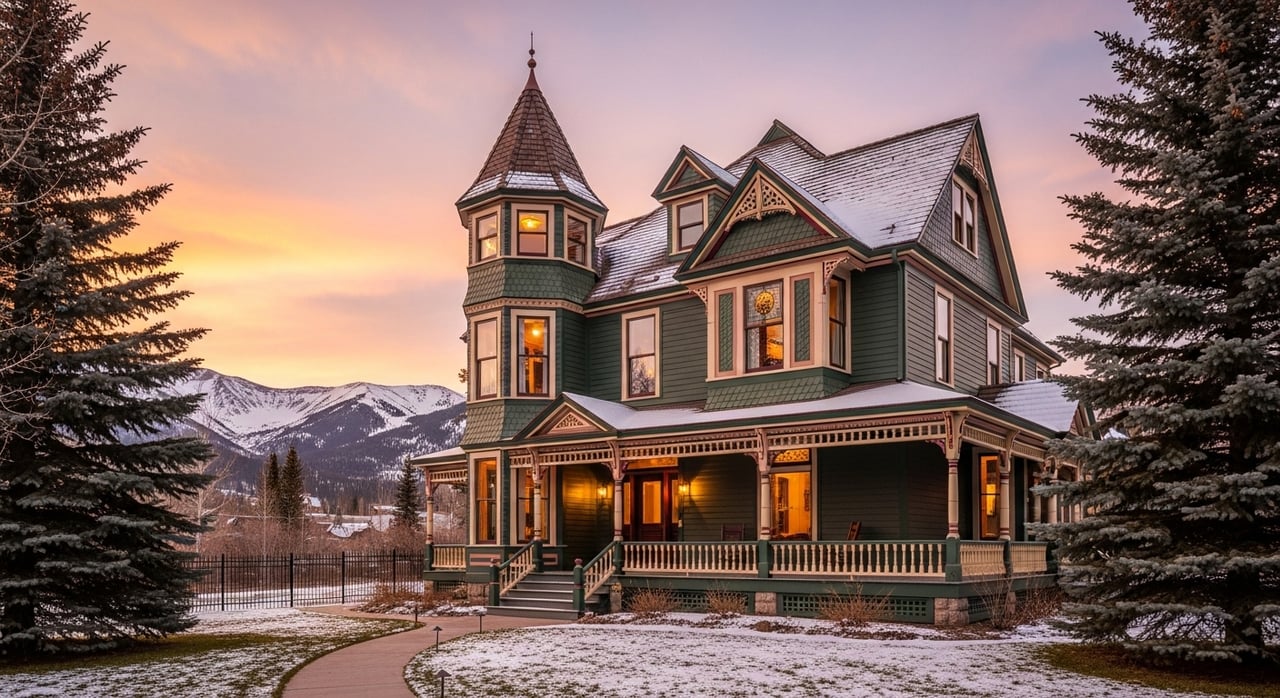
Breckenridge’s Victorian Historic District blends mountain charm with history. Walkable streets, painted porches, and compact lots create a rare in‑town lifestyle next to Main Street and the Gondola. The district is nationally recognized for late 19th and early 20th century architecture and includes roughly 180 contributing structures, listed on the National Register of Historic Places in 1980. You can verify the designation and scope through History Colorado’s entry for the district: Breckenridge Historic District.
This guide is for buyers, sellers, and renovators who value design, provenance, and access. You will learn what defines these homes, how reviews and permits work, what to check before you buy, how to prepare a listing, and how to plan updates that honor the past while living well today.
What defines a Victorian Historic District home in Breckenridge
Historic houses here are simple, handsome, and human scaled. Expect:
- Compact massing on small lots, with gable roofs and dormers
- Wood lap siding, narrow porches, simple brackets, and trim
- Period windows set in rhythm along the street
- Additions at the rear or side where expansion was allowed over time
The streetscape is intimate and walkable, centered on Main Street and nearby east–west avenues such as Lincoln, Washington, Adams, and Jefferson, with boundaries that capture the town’s early fabric. See a high‑level boundary overview on the National Register listing page for Summit County districts: NRHP districts in Summit County.
Common home types:
- Miners’ cabins and early log structures. An instructive example is the Edwin Carter cabin, interpreted today by Breckenridge History and SAH Archipedia. It shows the town’s earliest building phase and material palette. Learn more here: Edwin Carter cabin.
- Simple Victorian residences. Late 1800s houses with gable roofs, modest trim, and painted wood siding that reflect the district’s restrained character. The Town outlines that character in its Historic District resources: Town of Breckenridge Historic District.
- Compatible infill and remodeled properties. Newer homes or expanded cabins designed to fit the historic streetscape with similar massing, roof forms, and materials.
Interiors vary. Many homes keep original plank floors, beadboard, and small‑scale rooms with low to moderate ceiling heights. Expect creative storage, attic conversions, and lower‑level space where grade allows. Mechanical systems and insulation may be updated in phases. These features shape how you live and how you stage. Highlight natural light, original wood, and the flow between parlor, dining, and kitchen. For photography, frame entries, porch moments, and intimate dining nooks. These vignettes sell the lifestyle.
Buyer considerations: what to evaluate before making an offer
Go in with a clear checklist. The district’s charm is real, and so are its standards and climate demands.
- Due diligence and inspections
- Structure: foundation type, settlement, under‑floor access, and any past stabilization
- Envelope: roof age, snow load history, ice dam risks, gutters, and drainage
- Systems: electrical capacity, panel age, GFCI, heating type, and ventilation
- Windows and doors: condition, operation, presence of storms, and weatherstripping
- Moisture: crawlspace humidity, attic ventilation, and vapor control
- Pest review: wood‑destroying organisms and prior treatments
- Energy: insulation levels, air sealing, and opportunities for discreet upgrades
Request any past permits and plans from the Town. The Building Division lists permit categories, including reroofs and window or door changes, which can signal the age of recent work: Breckenridge Building permits.
- Regulatory context and timing
The district is governed by the Town’s Handbook of Design Standards and related character‑area guidelines. Exterior changes visible from public ways are reviewed for historic compatibility. The Town also uses a 9 units per acre above‑ground density limit in much of the district to protect character. Early conversations with Planning and Preservation staff help map approvals, phasing, and feasibility: Historic District resources.
Practical timing tips:
- Concept meeting with Planning staff before you write an offer if your plan depends on exterior changes
- Build in time for design review, permit submittal, and contractor lead times
- If income use is part of your plan, confirm current short‑term rental rules and zoning with the Town and Planning Commission resources: Planning Commission
- Financing and insurance
Older homes can trigger lender or insurer requests for roof certifications, electrical updates, or inspection addenda. Ask your lender about age‑related overlays. Shop insurance early and budget for potential premiums tied to roof type, snow load, and proximity to hydrants.
- Accessibility, parking, and winter logistics
Historic lots are compact. Confirm on‑site parking, snow storage, and ease of access for deliveries. Inspect walkways for safe grades. Evaluate roof design for snow shedding near entries, and plan heat tape or snow guards if needed. A well‑designed mudroom with ski storage, boot dryers, and radiant heat makes winter living smooth.
- Lifestyle fit and location premiums
The district’s value comes from place and history. It is steps to shops, dining, museums, and the Breckenridge Gondola, a big draw for owners and guests. Learn more about the area’s walkable appeal here: Breckenridge Historic District overview.
Short‑term rental potential and primary use vary. Check town rules first. For market framing, Summit County data shows Breckenridge at the high end of the county’s pricing range for in‑town single‑family properties, though prices vary by lot, renovation quality, and proximity to Main Street. See county context here: Realtor.com Summit County overview.
- The right team
- Buyer’s agent with district expertise
- Historic‑savvy home inspector
- Preservation‑minded architect and general contractor
- Lender and insurance broker comfortable with older homes
Align the team before you write. Good guidance during inspection and feasibility can save months.
Seller playbook: preparing and marketing a Victorian Historic District home
You are selling a piece of Breckenridge history. Lead with design integrity, lifestyle, and proof of care.
- Pre‑listing priorities
- Fix first, then refresh. Resolve roof, drainage, electrical, and heating issues before cosmetics.
- Preserve character. Keep original doors, casings, stair parts, windows, and wood floors where feasible. These are value drivers.
- Update key spaces. Kitchens and baths that respect scale and materials but deliver modern function resonate with buyers.
- Assemble documents. Gather permits, plans, surveys, and any approvals. Buyers want a clean file in a reviewed district.
- Staging and photography
- Highlight entries, porch life, and winter‑ready mudrooms
- Showcase light and flow between parlor, dining, and kitchen
- Celebrate textures: original plank floors, beadboard, period hardware, and hand‑worked carpentry
- Frame views to Main Street energy or nearby open space when present
- Storytelling
Craft a short architectural narrative that links provenance, renovations, and lifestyle. Note the building type, original era, and any known owners of interest. Cite museum ties and neighborhood history, such as the district’s National Register status and timeline: History Colorado district listing. Consider a one‑page property history with dates of major work and the design intent.
- Pricing and positioning
Value is a blend of location within the district, lot size, intact original features, quality of modernization, parking, and outdoor space. Turnkey homes with sensitive updates command a premium. Renovation‑ready properties can also do well if approvals are mapped and costs estimated. Use a district‑specific comparative analysis and, when needed, a formal appraisal that cites historic precedents.
- Marketing logistics
- Time your launch for peak seasonal visibility
- Offer private showings with flexible schedules for out‑of‑state buyers
- Target outreach to second‑home buyers who prioritize walkable ski‑town living
- Provide a concise approvals roadmap for any still‑possible projects to reduce buyer uncertainty
- Coordination and disclosure
If you complete exterior work pre‑sale, confirm Town review and permits. Include permit numbers in your disclosure packet so buyers see a compliant history. For deeper context or historical data on your address, the Breckenridge History Archives host cultural resource surveys and photos: Breckenridge History Archives.
Renovations and preservation: balancing authenticity with modern comfort
A clear plan protects character and improves livability.
Sequence
- Condition study and structural check
- Preservation priorities list: what must be saved, what can be adapted
- Scope definition: kitchens, baths, systems, insulation, windows, and discreet additions
- Approvals and permits with the Town
- Contractor selection and schedule
Design approach
- Keep defining elements like front facades, roof forms, original siding, and window patterns
- Integrate modern systems discreetly. Consider mini‑splits, hydronic heat, and ERVs to improve comfort without visual clutter
- Focus on kitchen and bath quality and storage. These yield daily benefit and strong resale value
Process and timing
- Meet Town staff early and align on the Handbook standards: Design Standards and Historic District
- Expect review for any exterior work visible from the street
- Plan construction in shoulder seasons to reduce disruption
Budget
- Allocate funds across structure, envelope, and systems first
- Reserve a line item for historic carpentry, window repair, and paint analysis
- Investigate incentives. Federal historic tax credits can apply to certified income‑producing projects, like rental or commercial use in historic buildings. Overview here: Federal rehabilitation tax credit. Colorado also offers state historic preservation tax credits with residential and commercial paths, administered by History Colorado and OEDIT. Programs have caps and application steps that change. Start early: History Colorado tax credits and OEDIT program page.
Financial and market considerations specific to historic district properties
Valuation drivers
- Micro‑location, views, lot size, and parking
- Intact original features and facade integrity
- Quality of modern systems and finishes
- Approvals for recent work and potential to expand within guidelines
Ownership costs
- Routine maintenance of wood siding, roofs, and paint
- Energy upgrades to manage winter comfort
- Insurance tailored for older homes
- Snow management and seasonal services
Demand patterns
- Turnkey homes with sensitive updates sell fast and often at a premium
- Well‑documented renovation opportunities also attract design‑minded buyers, if approvals and budgets are clear
For broader price context, Breckenridge in‑town single‑family homes sit near the top of Summit County’s price range. County metrics vary by month and sample; consult current data and a district‑specific CMA. Reference context here: Summit County market overview.
Living in the district: everyday practicalities and lifestyle realities
Winter readiness
- Plan for snow storage, heated walkways, and roof snow management
- Verify insulation, air sealing, and heat delivery to edges and eaves
Parking and access
- Confirm on‑site spaces, snow removal plans, and delivery routes
- Consider shared drive etiquette on tight historic lanes
Community character
- Expect vibrant street life near Main Street, with restaurants, galleries, and museums. The district’s cultural anchors include the Barney Ford House Museum operated by Breckenridge History: Barney Ford Museum
- Exterior changes follow district standards to protect a cohesive streetscape
Second‑home considerations
- Hire property management for snow, maintenance, and check‑ins
- If you plan to rent, confirm current town rules and licensing steps
Smart integrations
- Design a mudroom with gear storage, radiant heat, and built‑ins
- Carve out a quiet office in an attic dormer or rear addition
- Use custom millwork to add storage while preserving original walls and windows
Conclusion and next steps
Breckenridge’s Victorian Historic District offers history, design, and a walkable life at the heart of town. Navigating standards, permits, and pricing is where expert guidance makes the difference. For tailored advice, valuation, or a curated tour list, connect with Marty Frank. Schedule a private consultation.
FAQs
Q: What makes the district official, and why does it matter? A: The Breckenridge Historic District is listed on the National Register of Historic Places for its late 19th and early 20th century architecture that tells the story of a mountain mining town. This status underpins local design review and helps protect character. See the listing overview at History Colorado: district listing.
Q: Do I need approval for exterior changes? A: If the change is visible from a public way, plan on review under the Town’s Handbook of Design Standards and related character‑area guidelines. Start with Historic District resources and speak with staff early.
Q: Are tax credits available for renovations? A: Yes, in specific cases. The federal 20 percent rehabilitation tax credit applies to certified historic buildings used for income‑producing purposes. Colorado also offers state credits for qualified projects, with evolving caps and steps. Explore programs here: Federal overview, History Colorado, and OEDIT.
Q: How long do permits and reviews take? A: Timelines vary by scope and season. Concept meetings, design review, and permits can add weeks to months. Engage Planning staff early and build slack into your schedule. Permit categories and submittal needs are outlined here: Building permits.
Q: Where can I learn more about my home’s history? A: Start with Breckenridge History museums and archives, including the Barney Ford House Museum and the online archives of cultural resource surveys: Breckenridge History and History Archives.