What makes a Silverthorne mountain home feel effortless the second you step inside? In a place where winter lingers, snow stacks up, and gear is part of daily life, the details matter. You want a home that stands up to the elements, keeps everyone comfortable, and showcases those big views. In this guide, you’ll learn the features buyers in Silverthorne prize most, and how to spot or add them for stronger long-term value. Let’s dive in.
Cold-climate heating and comfort
Warmth you can feel underfoot is a game changer in Summit County. Buyers value radiant floor heating in main living areas and baths for steady, even heat during long winters. Zoned systems let you keep bedrooms cooler while the great room stays cozy for gatherings. Reliable, high-efficiency furnaces or cold-climate heat pumps are a plus, especially with a documented maintenance record.
Tight construction helps your system do its job. Look for high-R insulation in roofs and walls and careful air sealing to cut drafts and energy waste. Multi-pane windows with low-E coatings reduce heat loss and condensation risk while framing the mountain views you came for. Clean mechanical ventilation, such as an ERV or HRV, keeps indoor air fresh in an airtight home.
Hot water needs can spike when guests arrive after a day on the hill. Tankless or high-efficiency water heaters with the right capacity keep showers hot and laundry moving. Cold-climate performance and quick recovery rates matter at elevation.
Mudroom and gear storage
A dedicated drop zone protects the rest of your home. Buyers expect a real mudroom with benches, hooks, cubbies, and durable, easy-clean flooring. Boot dryers, drip trays, and a ventilated area for wet gear keep moisture contained and odors down. Direct access from the garage or a covered entry reduces snow tracked through the house.
Storage should fit mountain life. Think ski racks, snowboard storage, wall systems for bikes, and an organized spot for helmets and layers. A utility sink or adjacent rinse area makes quick work of muddy paws, bikes, and boots.
Durable finishes and layout
Hardworking materials are a must on the main level. Buyers prefer hard surface flooring like luxury vinyl plank, engineered wood, or tile that handle snow, sand, and spills. Quartz or other solid-surface countertops offer durability with a clean, modern look.
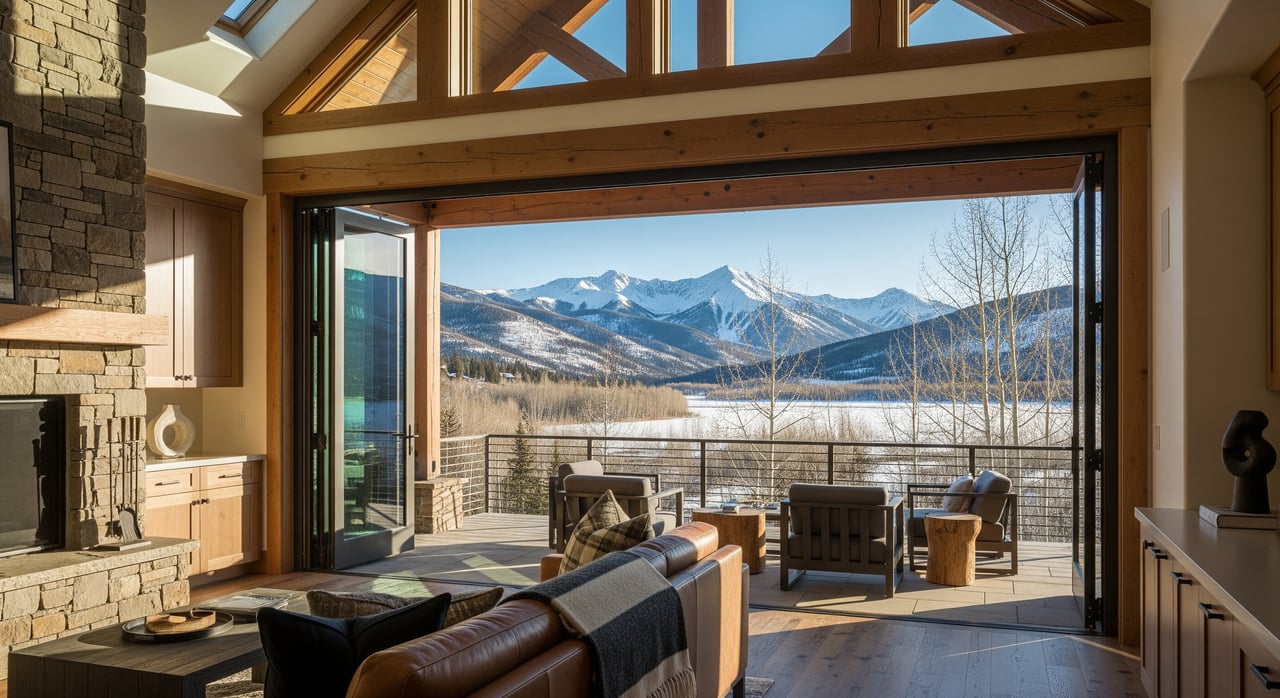
Open living spaces make it easy to gather after the slopes. Large windows capture south or west light and frame peak or reservoir views. Flexible sleeping layouts, with a guest suite, bunk room, or loft, make hosting simple without sacrificing privacy.
A fireplace adds both ambiance and function. Clean-burning gas units are popular for ease of use, while wood stoves appeal to purists where allowed by HOA or local rules. The key is safe, efficient supplemental heat that complements your main system.
Outdoor living with views
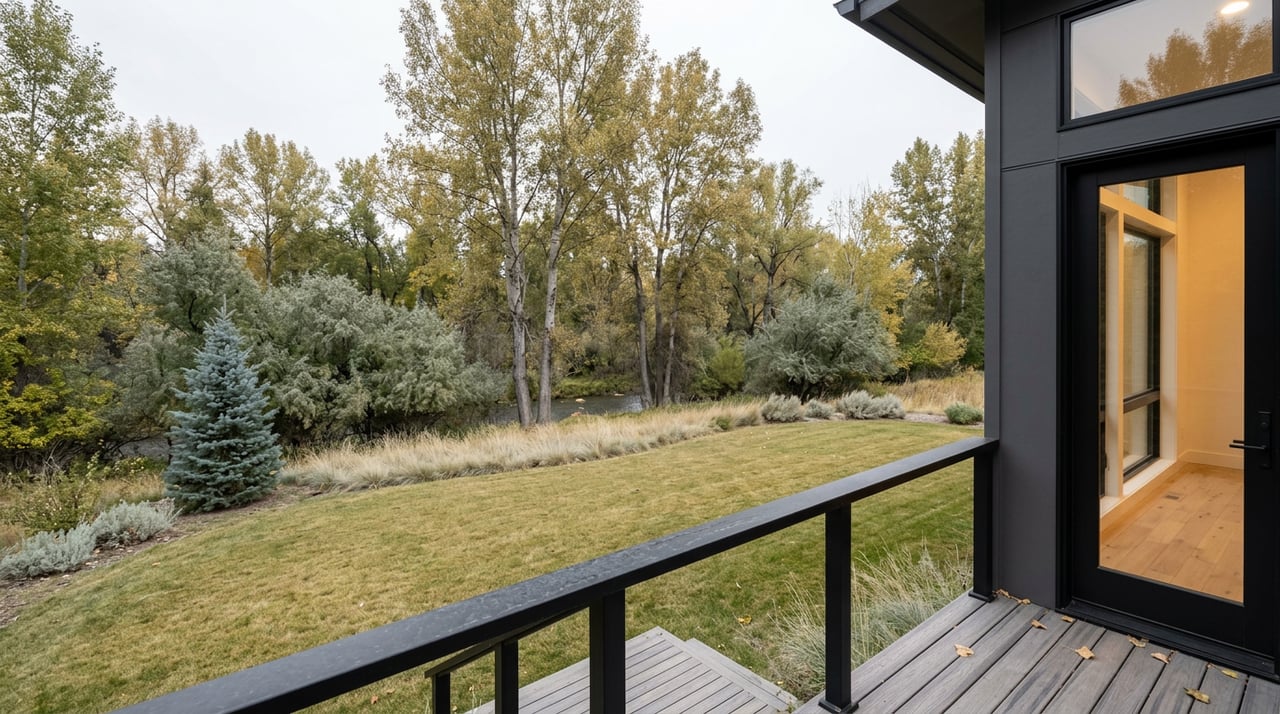
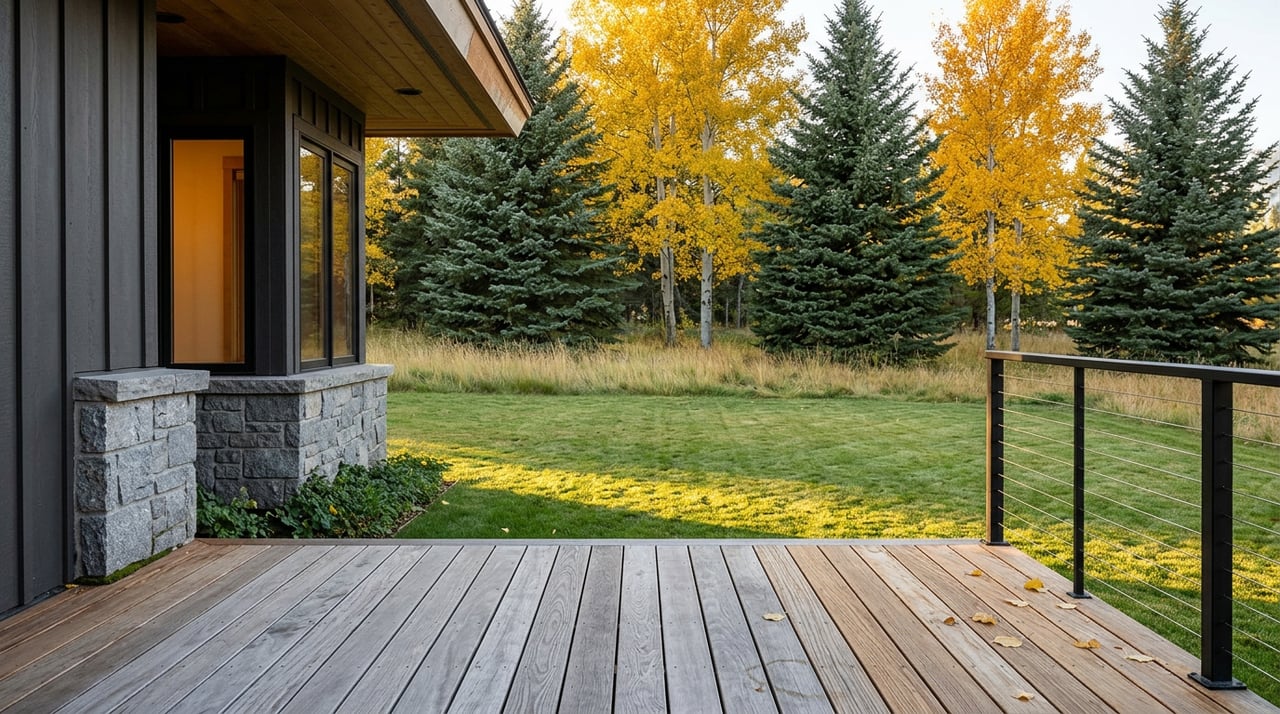
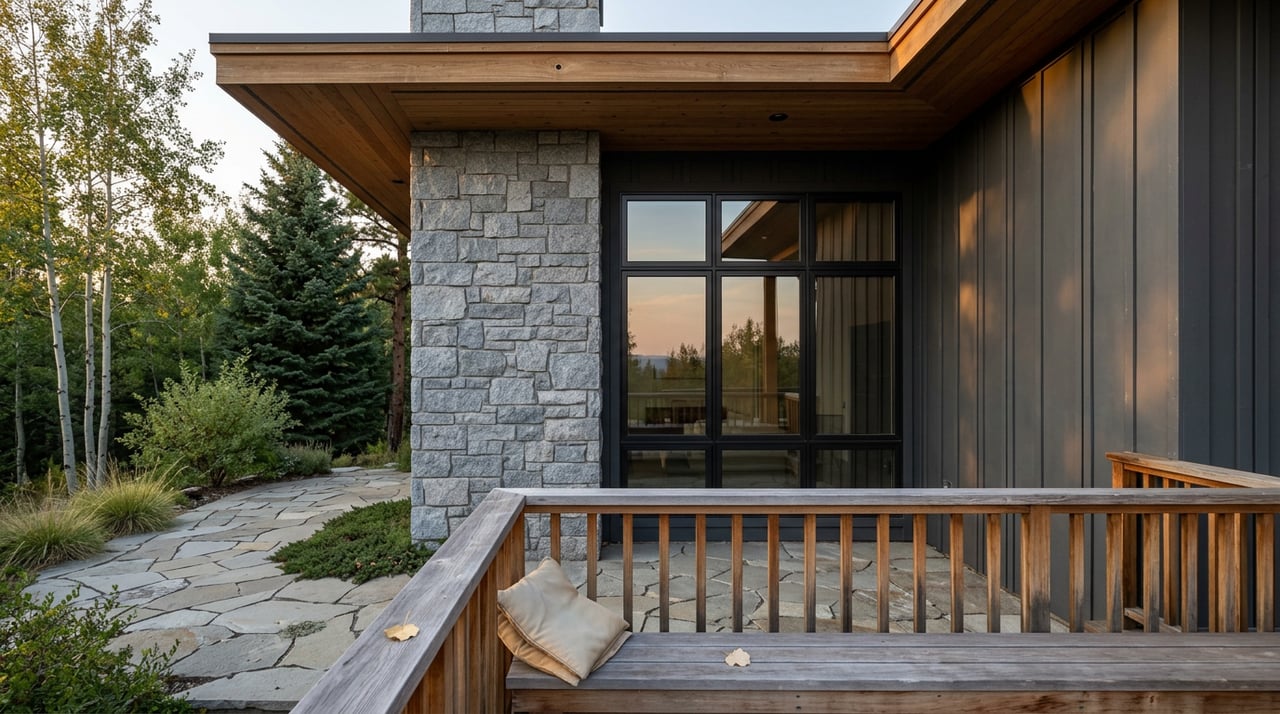
In Silverthorne, outdoor space counts year-round. Buyers love sturdy decks and covered porches sized for seating, dining, and a hot tub, oriented toward sightlines of the Gore Range or Dillon Reservoir. Materials should be chosen for snow loads and freeze-thaw durability so surfaces stay true through the seasons.
Simple upgrades help outdoor areas live larger. Wind screens, lighting, and snow-friendly furniture extend use in shoulder seasons. Clear, wide steps and rails improve safety when conditions change fast.
Snow access and parking
Safe, convenient access is a top value driver. Driveways and parking pads should allow for turnarounds and guest parking without tight maneuvers on a snowy morning. Covered or heated garages protect vehicles and make loading gear easier. Heated driveways or snow-melt systems are premium features that cut down on shoveling and ice but come with higher upfront costs.
A clear snow plan reassures buyers. Whether you rely on an HOA or a private contractor, document plowing arrangements, de-icing strategy, and where snow gets stored during big cycles.
Roofing built for snow
The roof does heavy lifting in the mountains. Steeper pitches and metal roofing help shed snow and resist ice dams. High-quality composite shingles are also common when properly detailed. Snow retention at roof edges protects walkways and entries from sudden slides.
Ice dams are a known risk in cold climates. Proper insulation, ventilation, and roof detailing help prevent them, along with attentive maintenance after storms.
Drainage and landscaping
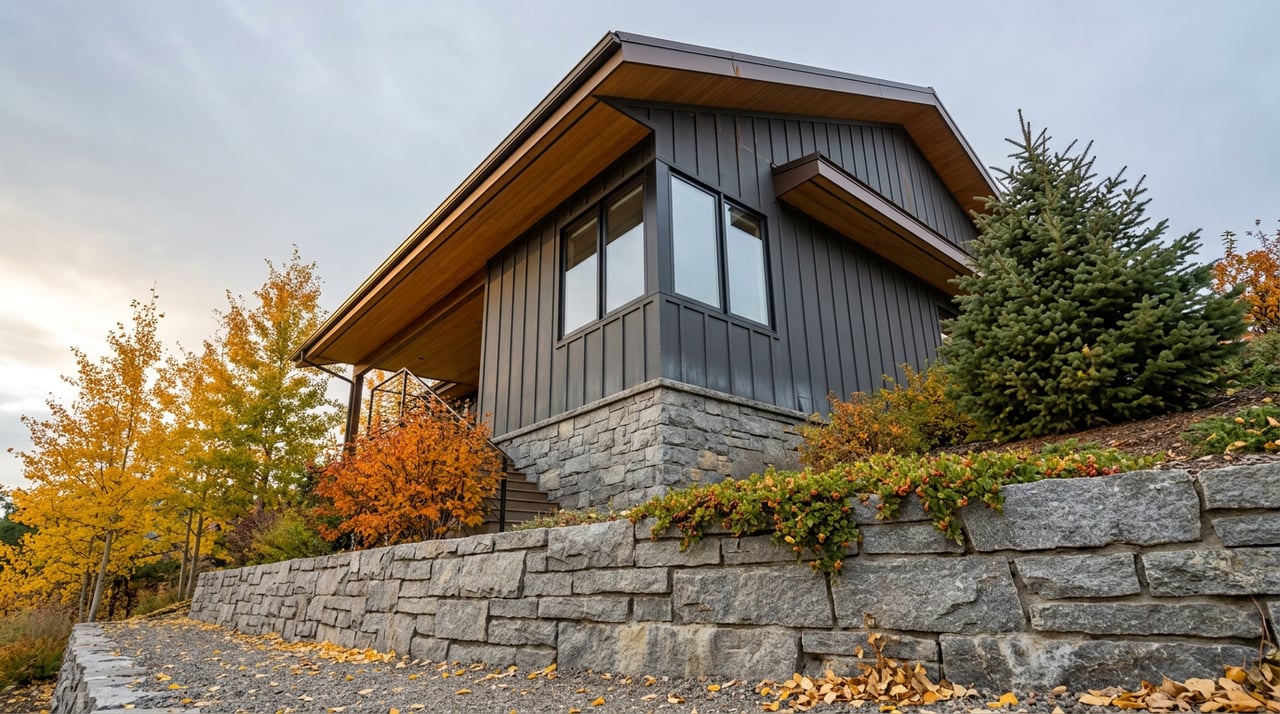
Water management is part of smart mountain design. Correct site grading, well-placed retaining walls, and permeable surfaces guide runoff away from the foundation during freeze-thaw cycles. Low-maintenance native landscaping reduces erosion and upkeep while keeping the focus on views.
Exterior utility access also matters. Freeze-protected hose bibs, a convenient gear rinse station, and clear meter locations make daily life and service calls more efficient.
Utilities and readiness
Practical readiness adds market appeal. Space for propane tanks where applicable, organized utility rooms, and accessible shutoffs simplify ownership. Many buyers ask about backup power. A generator or a pre-wired setup is a premium convenience for winter resiliency.
EV charging readiness is an easy win. A 240V outlet or conduit in the garage signals foresight, even if a full charger is not installed.
Safety and regulations to verify
Wildfire awareness is part of responsible mountain ownership. Defensible space practices, ember-resistant vents, Class A roofing, and non-combustible deck materials reduce risk in wildland-urban interface areas.
If a property is near streams or Dillon Reservoir, check any floodplain designations and insurance requirements. For short-term rental potential, confirm town and HOA rules, licensing, taxes, and any limits on rental frequency before you buy. For remodels or additions, plan ahead for local permits and energy code requirements. Finally, verify whether the property connects to municipal water and sewer or relies on a well and septic, and review inspection records for seasonal performance.
Buyer walkthrough checklist
- Entry and mudroom: Is there seating, storage, and ventilation for wet gear?
- Heating: Are there radiant floors, zoned controls, and high-efficiency systems?
- Insulation and windows: Do windows feel tight and clear, with minimal drafts or condensation?
- Hot water: Is capacity adequate for guests and back-to-back showers?
- Roof and drainage: Are there signs of ice dam mitigation and proper grading?
- Parking and access: Is the driveway manageable in snow, with room to turn around?
- Garage: Is it covered or heated, with storage and EV readiness?
- Outdoor spaces: Are decks designed for snow loads and oriented for views?
- Utilities and records: Are maintenance logs, utility bills, and service contacts available?
- Rules and services: Are HOA documents, rental rules, and snow plans accessible?
Seller upgrades that resonate
- Create a functional mudroom with benches, hooks, and cubbies.
- Replace worn main-level carpet with durable plank or tile flooring.
- Highlight or add radiant floors and high-efficiency mechanicals; gather specs.
- Improve insulation and air sealing; note window upgrades and share past utility bills.
- Organize the garage to show covered parking, gear storage, and EV readiness.
- Stage decks to showcase view corridors; trim vegetation to open sightlines.
- Provide a clear snow-management plan with contractor or HOA details.
- Assemble a property packet with service records, permits, HOA rules, and wildfire mitigation work.
The Silverthorne advantage
Proximity to four major ski areas, Dillon Reservoir, and I-70 makes Silverthorne a rare blend of access and alpine quiet. Homes that handle the climate while elevating daily rituals stand out, whether you live here full-time or visit on weekends. If you focus on weather resilience, storage, efficiency, and outdoor living, you will feel the difference the first week you move in.
Ready to evaluate a property or prep your home for market? Let’s tailor a plan to your goals and timeline. Schedule a private consultation with Marty Frank.
FAQs
Why is a mudroom essential in Silverthorne homes?
- It keeps snow and moisture from spreading through living areas, protects finishes, and provides organized storage for skis, boots, and outdoor layers.
Do buyers in Silverthorne prefer radiant floor heating?
- Yes, radiant heat is a sought-after comfort feature for long winters and is a clear differentiator in baths and main living areas.
How do roofs in mountain climates affect value?
- Roofs with steeper pitches, snow retention, and durable materials like metal help shed snow and reduce ice dams, which buyers view as lower risk and maintenance.
What outdoor features matter most to Silverthorne buyers?
- Covered decks, hot tub-ready spaces, and view-oriented seating areas built for snow loads create year-round appeal and usable lifestyle space.
How important is parking and driveway design in winter?
- Very important; manageable slopes, turnaround space, and covered or heated garages improve daily access and reduce snow and ice headaches.
Should I install EV charging in a mountain home garage?
- Providing a 240V outlet or conduit is a low-cost upgrade that signals readiness, with a full charger as a premium bonus for many buyers.
What should I verify about short-term rentals in Silverthorne?
- Confirm town and HOA rules, license requirements, lodging taxes, and any booking limits before assuming rental income is allowed or feasible.