Sunlight on water in the morning. Music over the lake at night. If you’re drawn to a home base built around Dillon Reservoir, you’re not alone. You want year-round access, clear guidance on what lake life actually looks like at 9,000 feet, and a plan that fits how you live. This guide gives you a clear picture of seasons, recreation, property types, and the practical steps to buy with confidence around the water in Dillon. Let’s dive in.
Lake Dillon snapshot
Dillon Reservoir, often called Lake Dillon, is Denver Water’s largest storage reservoir. It holds about 257,304 acre-feet of water, spans roughly 3,233 surface acres, and sits at a spillway elevation of 9,017 feet above sea level. Shoreline length runs about 26–27 miles, with the Towns of Dillon, Frisco, and Silverthorne ringing its edge. You can verify these core facts through Denver Water’s official recreation page.
A paved recpath loops the lake and connects Dillon, Frisco, and Silverthorne. The full lakeside route is commonly noted at about 18 miles and includes scenic overlooks such as Sapphire Point. For route context, see the TrailLink gallery for the Frisco–Farmer’s Korner Recpath.
Summer on the water
Summer is defined by the Dillon Marina and shoreline programs. At the marina, you can book pontoon and sailboat rentals, take lessons through the sailing school, and grab a drink by the lakeside. The Town posts seasonal rules that shape the on-water lifestyle, including no swimming, no personal watercraft, and no waterskiing or tubing. PFD requirements apply for paddlers, and the reservoir speed limit is 30 mph. Review current rental options and regulations on the Town of Dillon boat rentals page.
A strong sailing culture anchors the lake, with club races and regattas throughout the warmer months. On shore, the Dillon Amphitheatre brings free and ticketed concerts, plus the seasonal Dillon Farmers Market, all with a front-row lake view. Check schedules on the Town of Dillon events calendar.
Slips and moorage reality
If you want a permanent slip, plan ahead. Dillon Marina’s public page lists seasonal slip and storage policies, and availability can be tight. For the 2026 season, the marina reports no slips available and directs boaters to a wait list. Start with the Marina Slips & Storage page to understand current wait-list procedures and short-term dockage options.
Water levels and timing
Denver Water manages the reservoir for water supply and downstream flows, and that can impact launch timing and which ramps are usable during shoulder periods. Some seasons start later or end earlier for certain boat types depending on water elevation. For current operations and context, consult Denver Water’s Dillon Reservoir recreation page.
Winter and shoulder seasons
When the lake freezes, the scene shifts from boats and concerts to quiet winter recreation. Ice fishing draws anglers for rainbow trout, brown trout, kokanee salmon, and Arctic char. The Town lists licensing guidance and locally permitted outfitters on the Fishing Dillon Reservoir page.
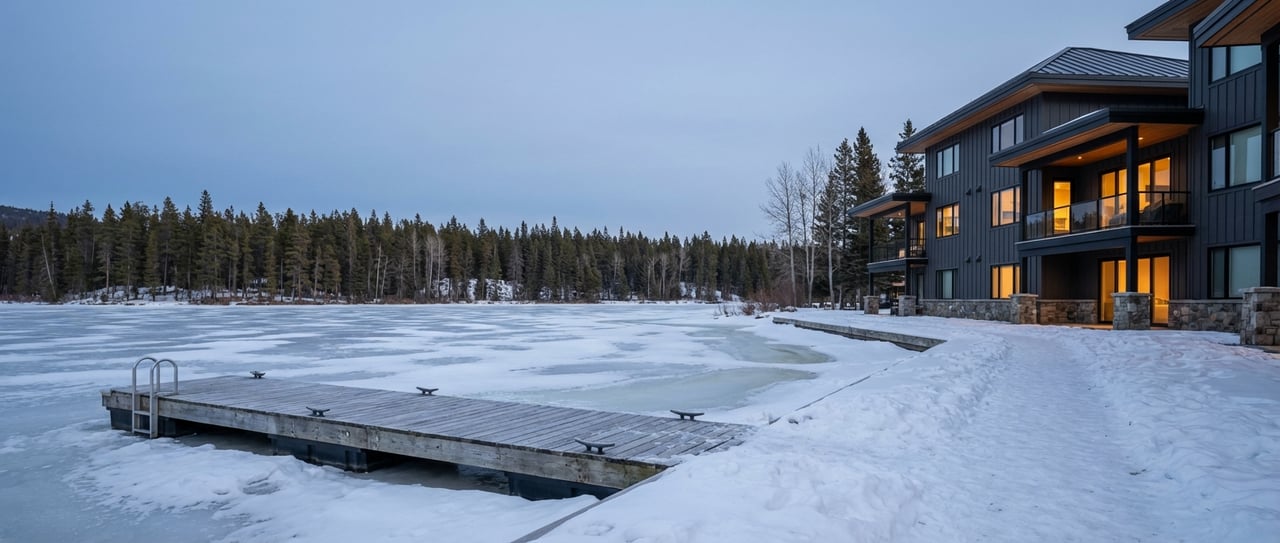
The Town of Dillon typically grooms a winter “Lake Loops” multi-use track on the frozen surface for skate-skiing, fat-biking, snowshoeing, and walking. Opening and closing dates vary and depend on ice conditions. In 2026, the Town announced the Lake Loops would not be maintained due to inconsistent ice, which is a helpful reminder that winter access is always weather dependent. Check the current status on the Lake Loops page before planning.
Where to live nearby
Lake-centric living around Dillon typically falls into three broad categories. Your best fit depends on how you use the lake and how you prioritize convenience, privacy, and maintenance.
Marina-adjacent condos
If you want quick access to boat rentals and amphitheatre nights, condos and low-rise buildings near the marina deliver convenience and walkability. You’ll trade private yard space for shared amenities and HOA rules. For some buyers, the lock-and-leave simplicity is the point, especially if you split time between homes.
Townhomes near the path
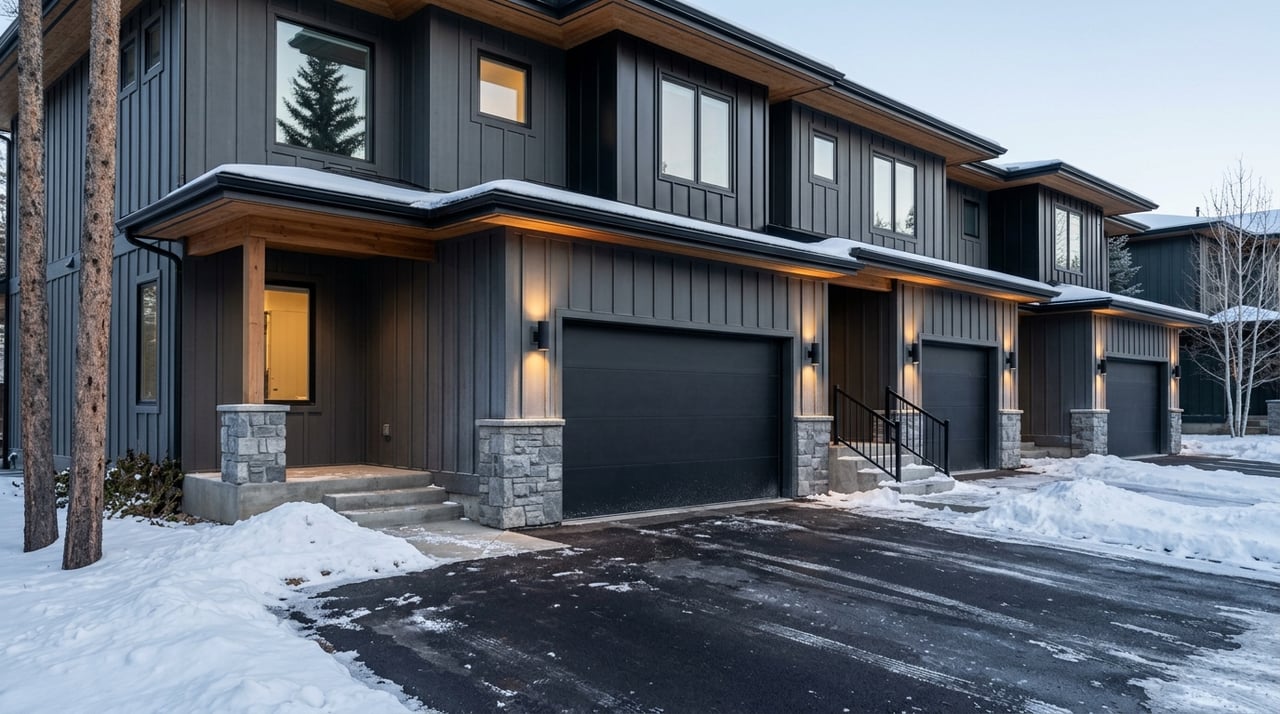
Townhomes and multi-family options within a short walk of the shoreline or recpath offer a practical middle ground. You keep a residential feel with less exterior upkeep than a detached home. This setup can work well if you ride the path often, plan day trips by boat, and want a functional base that stays easy to manage.
Hillside single-family with views
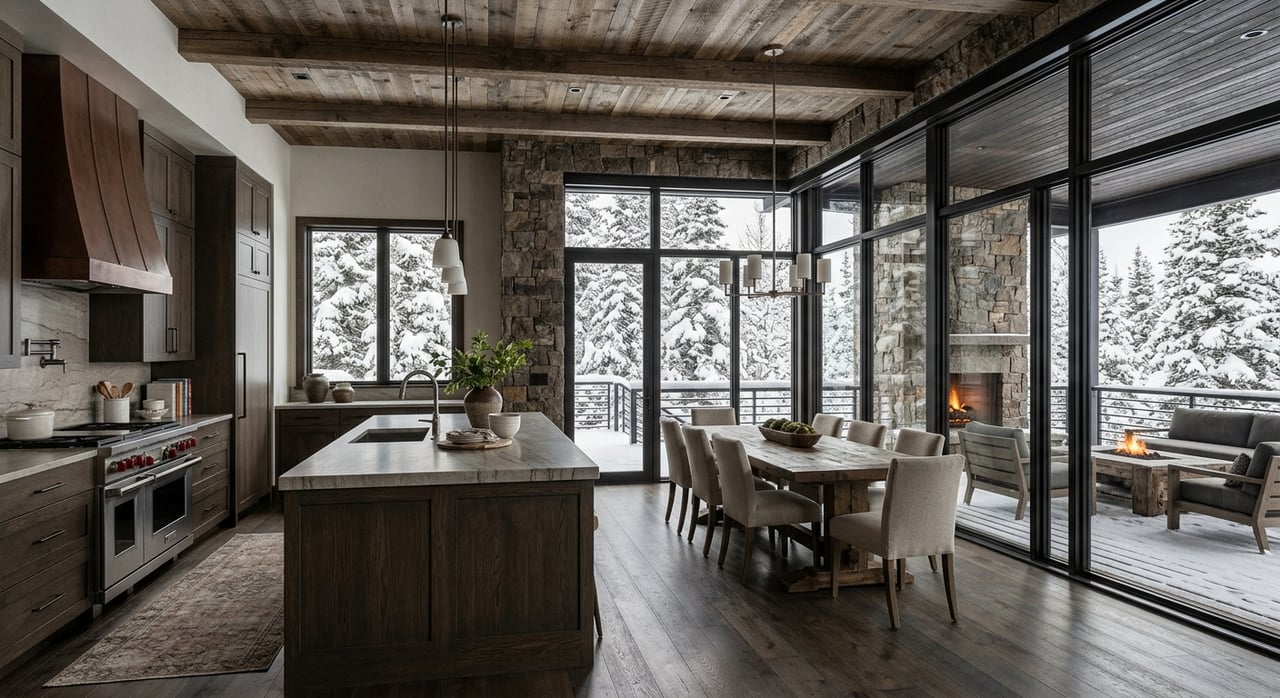
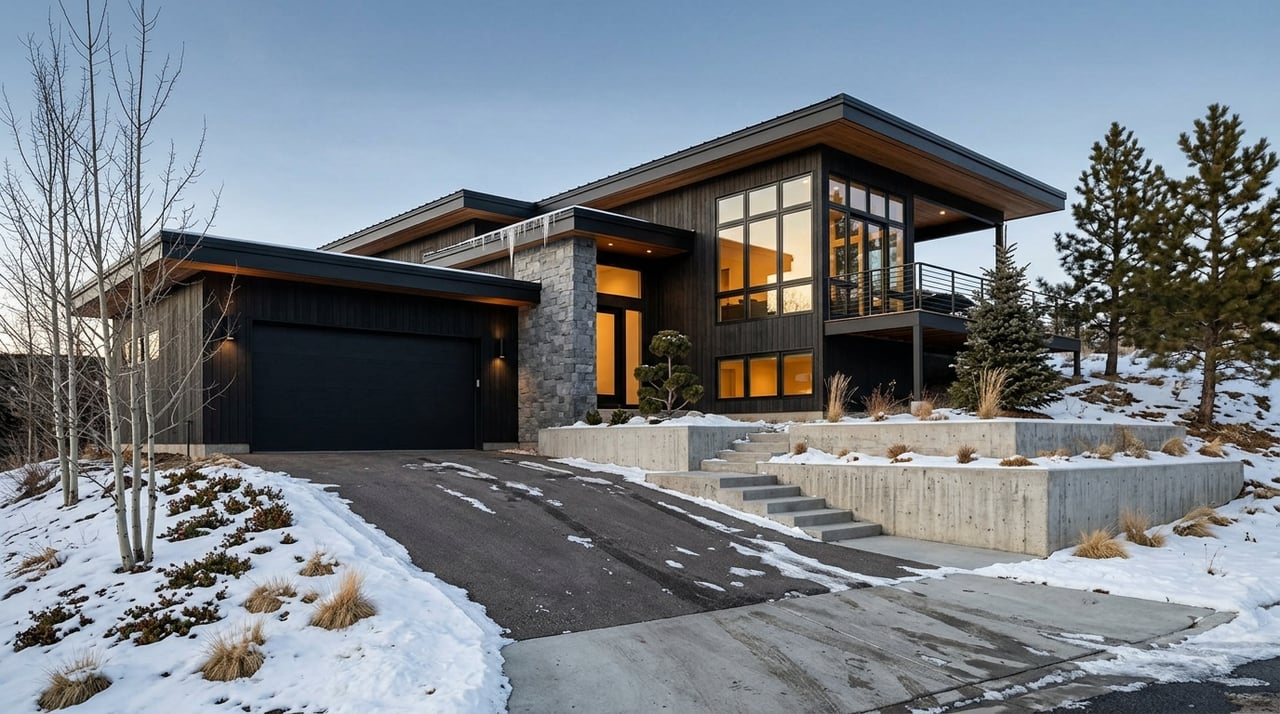
Detached homes on the surrounding hillsides capture the cinematic water panorama with additional privacy. You take on more seasonal maintenance, including snow removal, driveway management, and higher heating considerations at elevation. In exchange, you gain space and the ability to tailor outdoor living areas to frame the lake and mountain backdrop.
Rental rules and zones
Short-term rental rules are a high-impact factor for second-home buyers. Jurisdiction matters. A Dillon mailing address does not guarantee you are inside the Town of Dillon. Nearby neighborhoods such as Dillon Valley, Summit Cove, and Wildernest can sit in unincorporated Summit County, where separate county rules apply.
Inside town limits, Dillon requires licensing for rentals under 30 days, sets occupancy limits, and follows an annual license and renewal process. Start with the Town’s Short-Term Rental FAQ to understand current requirements.
In unincorporated areas, Summit County’s ordinance differentiates license types and sets caps and booking limits in certain categories. Policy has evolved in recent years and remains locality specific, so verify details for the exact property and basin. For an overview of the county’s approach, review this summary of Summit County’s STR ordinance.
Buyer due diligence
Use this checklist to align a lake lifestyle with a smart purchase:
- Confirm jurisdiction. Verify if the property is within the Town of Dillon or unincorporated Summit County, then review the relevant STR rules and licensing path if you plan to rent.
- Validate marina access. If boat moorage is important, review Dillon Marina’s current wait-list status, seasonal slip offerings, and any HOA docking policies for the specific building.
- Understand seasonal variability. Recognize that Denver Water manages reservoir levels. Launch timing, ramp usability, and shoulder-season access can shift year to year.
- Budget for elevation. Factor winter maintenance, snow removal, and heating into your annual plan. Review roof, driveway, and structural details for snow load and access.
- Review HOA documents. Ask for budgets, reserve studies, and rules on exterior work, short-term rentals, pets, and parking. Align the HOA’s standards with your intended use.
- Insurance and risk. Request quotes that reflect high-elevation conditions. Confirm current flood zone status through official maps and review any lender requirements.
- Medical access and services. Consider proximity to care for full-time living or multi-generational use. The nearest hospital, St. Anthony Summit Medical Center in Frisco, serves as the local acute-care hub.
Market context today
Dillon and greater Summit County operate as a high-demand mountain market with a mix of condo, townhome, and single-family options. Pricing can shift by season and inventory, and each micro-location reacts differently. For a current snapshot before you tour, reference the latest Summit County market page on Realtor.com and date your findings when you compare properties.
The lake lifestyle, refined
Lake Dillon offers a rare pairing at altitude. In summer, you can sail or paddle at breakfast, bike the recpath in the afternoon, and catch a concert at sunset. In winter, the shoreline quiets and day-to-day life settles into snow, views, and selective outdoor time. When you know the operational rules, seasonal patterns, and neighborhood types, you can align a home to the experience you want.
If you’re considering a design-forward condo by the marina, a lock-and-leave townhome near the path, or a hillside home with panoramic glass and outdoor rooms, let’s talk through the nuances. For discreet guidance and a private strategy session, connect with Marty Frank.
FAQs
What is Dillon Reservoir and who manages it?
- Dillon Reservoir, also called Lake Dillon, is Denver Water’s largest storage reservoir, spanning about 3,233 surface acres and managed by Denver Water for water supply and recreation.
What lake activities are allowed in summer?
- You can rent pontoons and sailboats, paddle with proper safety gear, and cruise within a 30 mph speed limit; swimming, personal watercraft, waterskiing, and tubing are not permitted.
How hard is it to get a marina slip?
- Permanent slips can be scarce and often require joining the Dillon Marina wait list; short-term dockage is offered seasonally, so confirm the current policy and plan ahead.
How do winter conditions change lake use?
- The lake typically freezes, supporting ice fishing and, in some seasons, a groomed Lake Loops track; all winter access depends on ice safety and the Town’s seasonal decisions.
What short-term rental rules apply around Dillon?
- Rules differ by jurisdiction: the Town of Dillon requires an STR license and sets occupancy limits, while unincorporated Summit County uses a separate ordinance with license types and caps.
What should I verify before buying a lake-view home?
- Confirm jurisdiction and STR eligibility, marina and HOA docking rights, seasonal access considerations, HOA financials, insurance at elevation, and current flood zone mapping.