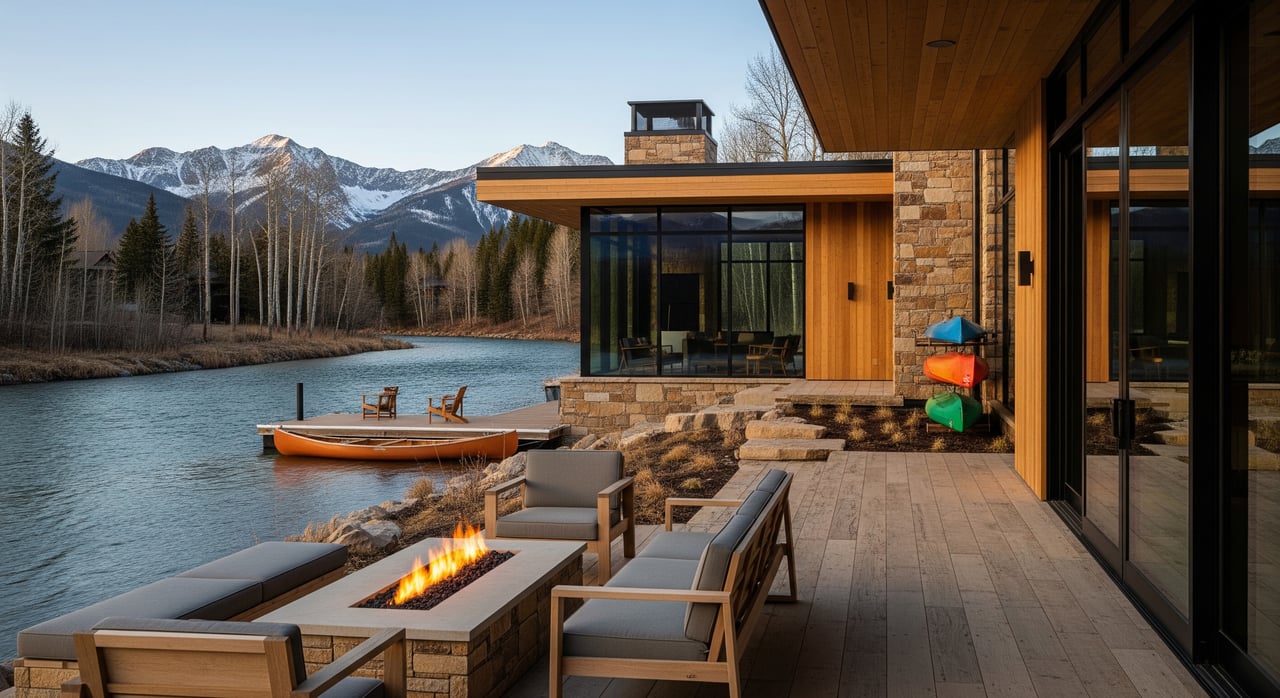
You hear it before you see it: the steady rush of the Blue River outside your window. Riverfront living in Silverthorne pairs that soundtrack with everyday convenience, mountain recreation, and year-round beauty. If you are weighing a second home or a move within Summit County, you want a clear picture of what life here really looks like. This guide walks you through daily routines, neighborhood patterns, access to skiing and transit, and the practical details that matter along the water. Let’s dive in.
Why the Blue River draws you
Silverthorne sits just north of Dillon Reservoir with the Blue River running through town. It is a high-elevation community where winter is long, snow is serious, and summer feels bright and crisp. The town functions as a county hub for retail, services, and lodging while keeping a relaxed mountain rhythm. According to the 2020 U.S. Census, about 4,700 residents live within town limits, and seasonal visitors add to the energy throughout the year.
Compared with nearby resort villages, Silverthorne offers a practical base with direct I‑70 access and room to spread out. Many buyers choose it for the Blue River corridor lifestyle and proximity to multiple ski areas without always paying resort-village premiums. You still get quick dining, shopping, and cultural access, plus an emerging set of mixed-use districts that make errands simple. The net result is a lifestyle that balances serenity by the river with easy daily logistics.
A day along the river
Picture a quiet morning on your deck with coffee and the sound of current and birds. A short stroll takes you to paved pathways for a run, a dog walk, or a bike ride before the world wakes up. In winter, you layer up and choose boots with solid traction while town crews and HOAs work through snow maintenance. The rhythm changes with the season, but the river stays constant.
By midday, errands are close. Silverthorne’s outlets and commercial corridors place groceries, gear, and essentials within a short drive from most river-adjacent neighborhoods. Fitness and recreation options are nearby, and many residents plan lunch breaks around a quick walk by the water. The simplicity of getting around helps your day feel unhurried.
Evenings bring options. In summer, you might catch live music or an outdoor gathering, often coordinated through town and county calendars. Silverthorne shares a regional arts scene with neighboring Dillon, Frisco, and Breckenridge, so there is almost always something on a nearby stage or plaza. Check local listings and regional coverage like SummitDaily’s events reporting to see what is happening week to week.
Trails, parks, and river access
The Blue River Trail and connected town paths stitch together neighborhoods, parks, and retail areas for year-round enjoyment. In warm months, you can ride, run, and walk; in winter, you adapt to snow and ice conditions as maintenance cycles through. These corridors are also an easy way to take in river views without getting in the car. For maps, amenities, and event permits, the Town of Silverthorne Parks & Recreation pages are your best starting point.
A few minutes away, Dillon Reservoir expands your water options. Think paddleboarding, sailing, and calm summer evenings on the shoreline. The reservoir complements the more intimate feel of the Blue River. Together, they form the foundation for a four-season outdoor routine.
Getting around and transit
Silverthorne is designed for quick access. Many river-adjacent areas connect to paved sidewalks and multi-use trails that make short trips practical, especially in spring through fall. In winter, plan footwear, allow extra time, and expect occasional delays when storms roll through.
You also have countywide bus service. The Summit Stage provides free, year-round transit that links Silverthorne with neighboring towns and major ski areas. Schedules and routes change seasonally, so it helps to check before heading out, especially on powder days or during festivals.
Ski access and weekend escapes
From Silverthorne, you can reach Keystone, Breckenridge, Copper Mountain, Arapahoe Basin, and Loveland within a typical 15 to 35 minutes outside peak holiday traffic. Conditions vary with weather and I‑70 flow, but the central location keeps multiple mountains in play day after day. For air travel, Denver International Airport commonly runs 1.5 to 2.5 hours depending on traffic and storms, with Eagle County Regional Airport as a periodic alternative. The bottom line is flexibility: you can ski where the snow is best and make travel plans that fit your calendar.
Neighborhood patterns along the river
River living in Silverthorne comes in several forms:
- Established residential enclaves. These older single-family and townhouse neighborhoods tend to sit a bit back from the water. They often have mature landscaping, varied lot sizes, and a mix of full-time and second-home owners.
- Newer mixed-use districts. Closer to Highway 9 and I‑70, you will find buildings with ground-floor retail and upper-level condos or apartments. These put you steps from dining, services, and transit, with the potential for rental income where allowed.
- Riverfront condos and townhomes. Some communities front the river or have trail-side access with views and easy walks to green space. Product types and HOA rules vary widely, so it pays to confirm details for the specific property you are considering.
If you plan to rent seasonally, factor in the regulatory environment. Short-term rental licensing and taxes are handled locally, with requirements set by the town and county. Start with the town’s resources on short-term rental licensing and cross-check with Summit County planning for countywide rules that may affect your property type and location. Always review your HOA documents before you buy if rental income is part of your strategy.
River recreation and stewardship
The Blue River is known for trout fishing. You need a valid license and must follow section-specific rules for gear and limits. For the latest regulations and seasonal guidance, consult Colorado Parks & Wildlife or a local guide. A little preparation ensures you protect the resource while enjoying a classic mountain pastime.
Living near a river also brings nature to your door. Expect regular bird activity and occasional wildlife sightings. Follow best practices for landscaping near riparian zones and keep pets under control to protect habitat. If you are considering any work near the bank, check permitting requirements first.
Winter logistics and home care
High-elevation winters shape daily life. Snow removal is a shared responsibility between town crews, HOAs, and individual owners, depending on where you live. Plan for the right tires, a reliable plow or service, and smart storage for skis, bikes, and seasonal gear. Inside, understand your heating fuel type and system maintenance schedule so you are comfortable through long cold spells.
Internet and utilities can vary by neighborhood. Confirm provider options and speeds for the exact address. If you rely on deliveries or service vehicles, consider access grades and driveway layout during heavy snow. These are small details that make a big difference in everyday comfort.
Floodplain, setbacks, and permits
Some river-adjacent parcels fall within FEMA flood zones or local setback areas. Before you make an offer or plan improvements, review your address on the FEMA Flood Map Service Center and consult the town’s floodplain information through the Town of Silverthorne. Insurance requirements and building limitations can affect project scope, timelines, and carrying costs. Early diligence keeps surprises out of your closing and your remodel.
Schools, healthcare, and services
Families in Silverthorne are served by the Summit School District. School assignments and busing policies change over time, so contact the district directly for the most current guidance. For healthcare, you will find emergency and urgent care services in nearby towns, with larger regional hospitals along the I‑70 corridor and in Denver for specialized treatment. Everyday services like water, sewer, trash, and recycling are coordinated through town and county providers.
Buying well along the Blue River
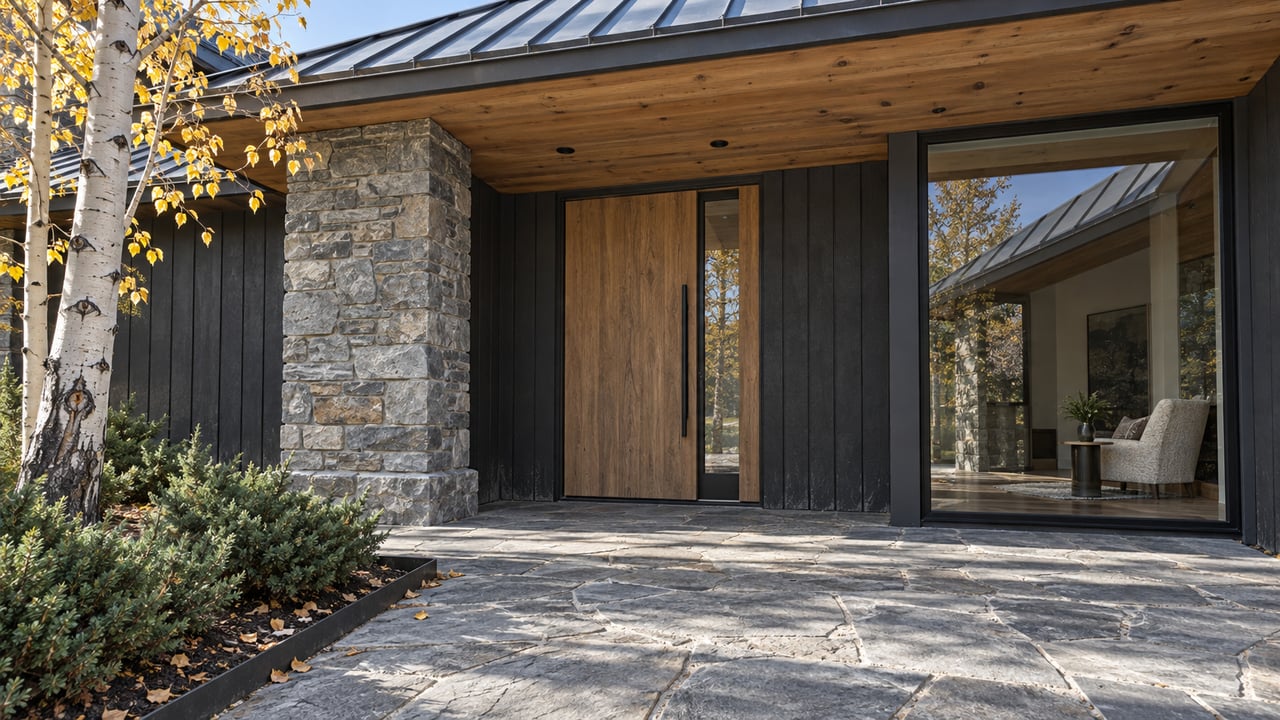
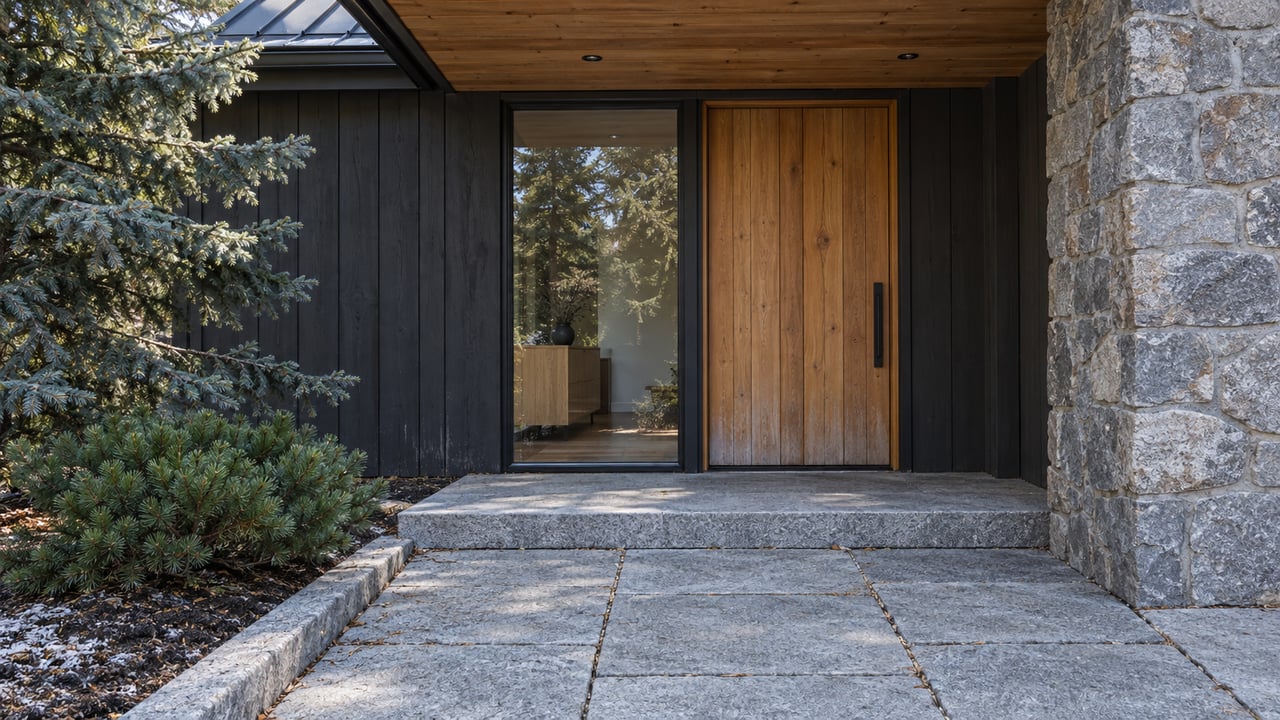
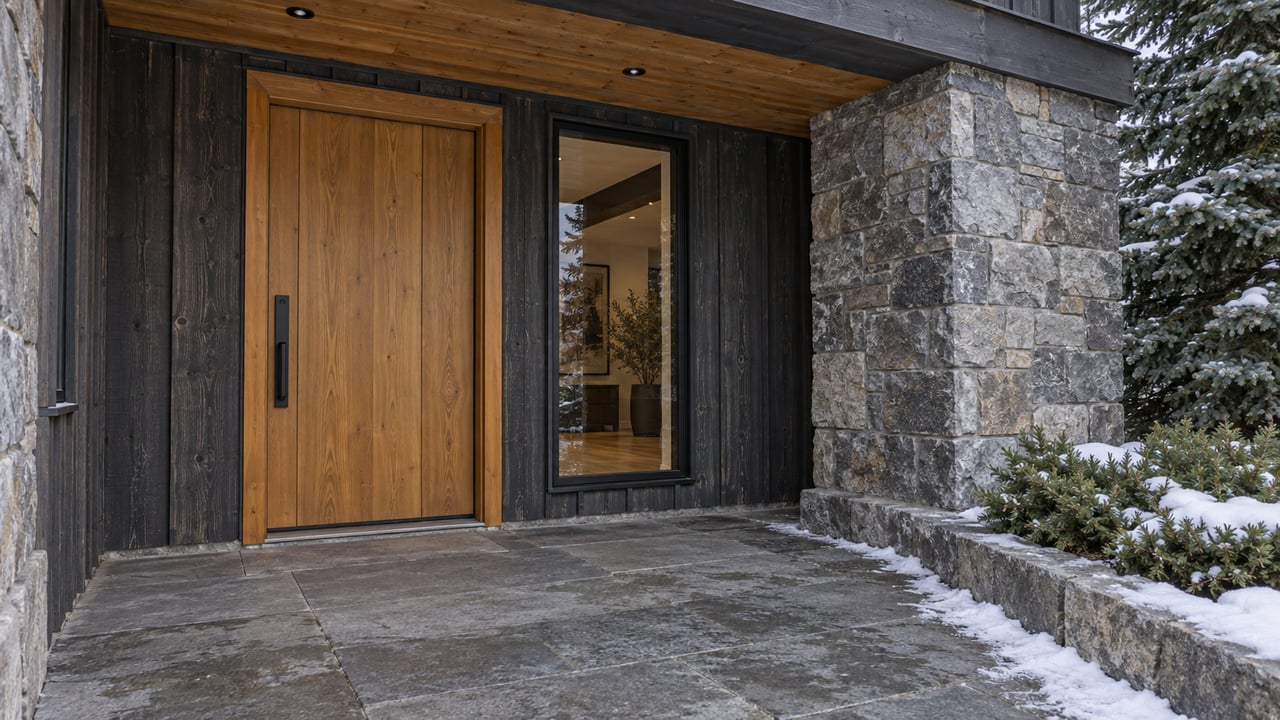
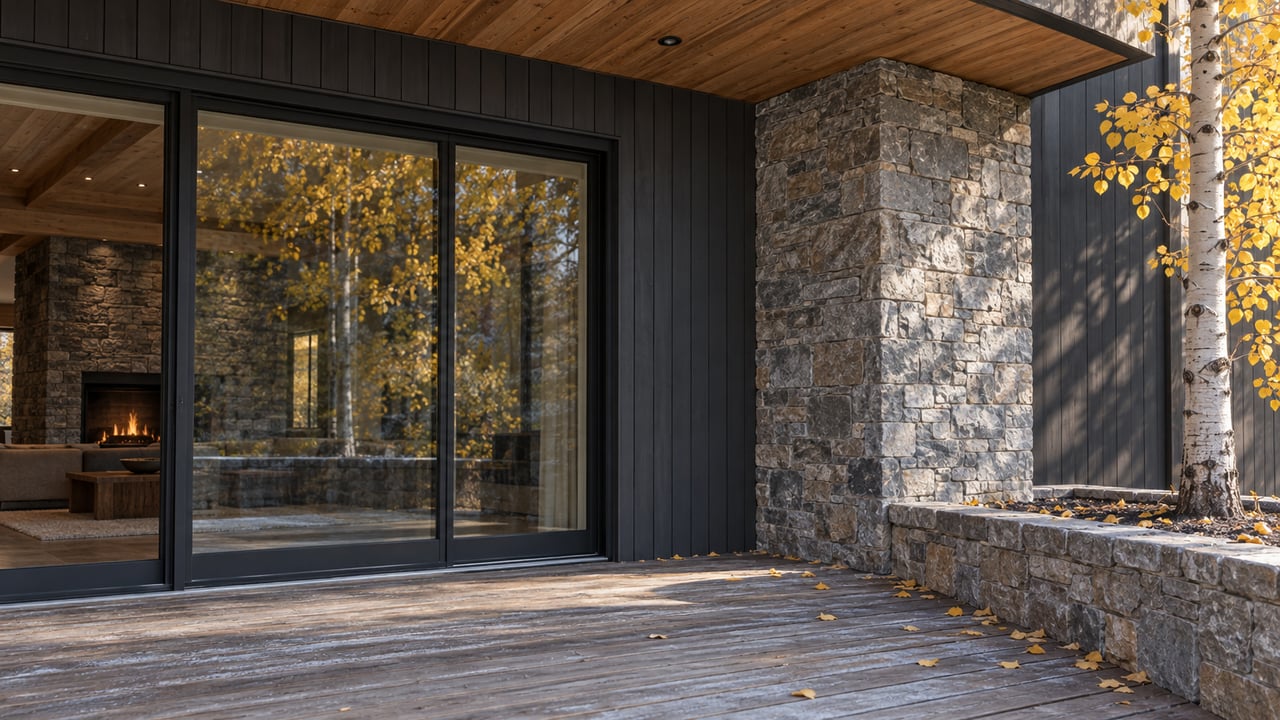
Riverfront and near-river homes reward thoughtful selection. Look closely at window placement, glazing quality, and outdoor living areas that take advantage of light, views, and the sound of water. Evaluate snow-shedding and roof design, garage clearance, and entry sequences that handle gear efficiently in winter. On attached products, review HOA health, reserves, and any rules that shape short-term or seasonal rental usage.
If you are considering new construction or a renovation, study how materials handle UV, freeze-thaw cycles, and moisture. Durable exterior finishes, well-detailed flashing, and thoughtful landscaping near riparian areas all add long-term value. For investors, align your purchase with current licensing and safety standards if you plan to rent. The right property should feel effortless to use and simple to maintain.
How we help you decide
Choosing river living is equal parts lifestyle and logistics. You want the trails and the trout, but you also want clarity on transit, flood zones, and winter care. You deserve a guide who understands both the design and the details. For private tours, neighborhood positioning, and property selection shaped by years in Summit County, connect with Marty Frank.
FAQs
How walkable is riverfront living in Silverthorne?
- Many near-river neighborhoods connect to paved paths and the Blue River Trail for easy walking and biking in warmer months, with winter travel shaped by snow and ice conditions.
What should I know about Blue River flood risk before buying?
- Check your address on the FEMA Flood Map Service Center and confirm town floodplain rules through the Town of Silverthorne to understand insurance needs and building limitations.
How close is Silverthorne to major ski areas?
- You can typically reach Keystone, Breckenridge, Copper Mountain, Arapahoe Basin, or Loveland in about 15 to 35 minutes outside peak holiday traffic, with times varying due to weather and I‑70 conditions.
Are short-term rentals allowed for riverfront homes in Silverthorne?
- Short-term rentals require local licensing and compliance with safety and tax rules; start with the town’s short-term rental information and confirm any countywide provisions at Summit County planning.
Do I need a license to fish the Blue River in town?
- Yes. A valid Colorado fishing license and adherence to section-specific regulations are required; check Colorado Parks & Wildlife for current rules.
What does winter maintenance look like near the river?
- Town crews handle main roads while HOAs and owners manage driveways and sidewalks; plan for reliable snow services, proper tires, and a storage setup that makes winter gear easy to manage.