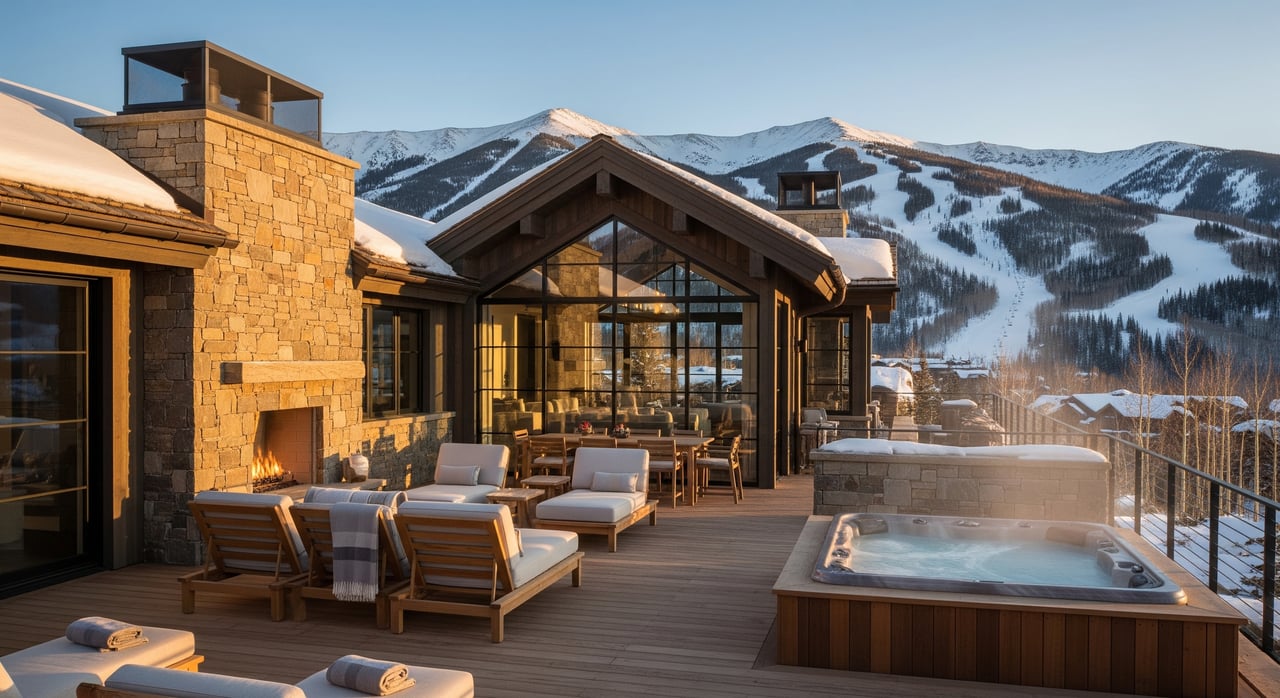
What if your morning started with crisp alpine air, bright sun, and the quiet thrum of lifts above town? If you’re weighing a second home or a full-time move to Breckenridge, you’re likely picturing snow days, summer trails, and a Main Street that feels like a front porch. You also want the real story on daily routines, travel, and what it takes to own here. This guide walks you through the rhythms of each season, the everyday outdoor lifestyle, and the practical realities that shape life at elevation. Let’s dive in.
Where mountains shape your day
Living in Breckenridge means the mountains are not a backdrop. They set your schedule. The town sits in a high alpine valley with ski terrain rising right from the edge of downtown. Thin air, strong sun, and big temperature swings are part of the daily pattern, and they add a unique clarity to light and sound.
Access is straightforward in good conditions. You usually drive 1.5 to 2 hours from Denver on Interstate 70, then up Colorado Highway 9 into town. Winter storms and holiday traffic can stretch those times, and chain or 4WD rules may apply. Many residents rely on the free in-town shuttle and county-wide transit to skip parking during busy periods.
Main Street blends historic mining-era buildings with modern comforts. You feel that mix everywhere, from independent cafes to gear shops and galleries. The resident base shifts with the seasons, which affects the pace of town and the services you rely on week to week.
Winter: peak energy
Morning on snow
Ski lifts are minutes from most in-town neighborhoods. If you’re a first-chair person, you’ll be out early, layering for cold air at the base and warmer sun higher on the mountain. Midday often means a warm-up break, then a few more laps before last chair. Lessons, on-mountain dining, and après are easy to fit into a typical day.
Life logistics in winter
Snow removal becomes part of your routine. You plan errands around road reports and bus schedules, and you leave extra time during holidays. Restaurants and services are in high demand, so reservations help. If you drive, a winter-capable vehicle makes day-to-day life simpler.
Evenings on Main Street
After the lifts, Main Street takes on a lively tone. You’ll find casual après spots, sit-down dining, and patios with outdoor heaters. On peak weeks, expect waits. On weekdays outside holidays, the energy feels more like a neighborhood gathering.
Spring: the reset
Melt, mud, and longer light
Spring is transitional. You can still ski higher elevations while town paths start to thaw. Trail access varies with freeze-thaw cycles, and some businesses scale back hours. The pace relaxes, and you feel more local than resort.
Local rhythm returns
With fewer visitors, a simple coffee run turns into conversations with neighbors. It’s a good time for home projects, gear tuning, and planning summer adventures.
Summer: long-light living
Early-trail mornings
Mornings are ideal for hiking and mountain biking. Trailheads start close to town, ranging from valley loops to alpine lakes. Some peaks offer lift-served bike park riding, which has become a summer staple for many residents.
Afternoons by water or in town
You might pair a midday lake visit with errands on Main Street, then slide into an evening of outdoor dining and live music. With the sun strong at altitude, hats, sunscreen, and water are part of your everyday carry.
Weather and wildfire awareness
Afternoon thunderstorms can arrive quickly, so you start early and wrap up high-elevation plans by midday. Late summer can bring wildfire risk. Staying aware of conditions is part of responsible mountain living.
Fall: the quiet season
Aspen color and calm streets
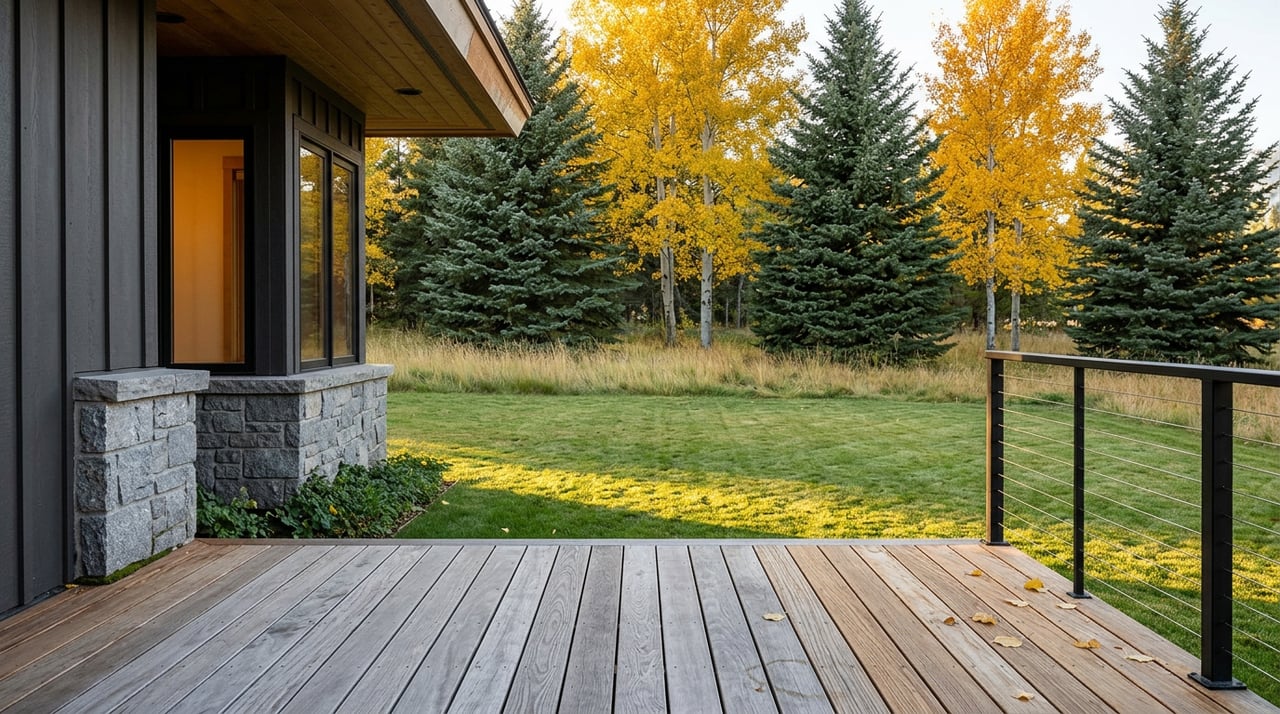
Fall is the calmest stretch. Aspens turn gold, trails are open, and the town moves at an easy pace. Photographers love the light, and locals enjoy fewer crowds.
Maintenance and timing
Owners often schedule maintenance and upgrades now. Real estate showings are easier to coordinate, and service providers have more availability before winter ramps up.
Everyday outdoors, every season
Alpine skiing within minutes
In winter, lifts and base areas are close enough that skiing can frame your day without much planning. You choose your pace, from lesson days to quick lunch laps.
Backcountry with caution
Breckenridge sits near high alpine terrain. Many residents enjoy touring, but avalanche training, the right gear, and local knowledge are essential. If you’re new to it, take time to learn before you go.
Nordic, snowshoe, and fat biking
Groomed cross-country networks and Nordic centers offer a quieter winter day. Snowshoeing and fat-tire biking open up mellow trails when you want something low-key.
Hiking and biking networks
From town, you reach a mix of valley paths and longer day hikes. Mountain bike routes range from gentle forest loops to technical descents. Lift-access biking adds variety if you prefer more vertical.
Water and wildlife
Rivers and alpine lakes add fishing and paddling to the summer menu. Wildlife sightings are common, so you practice simple safety like giving animals space and securing trash.
Town life beyond the trails
Main Street rhythms
Historic storefronts, patios, and galleries anchor daily life. During peak seasons, evenings are vibrant. In shoulder seasons, it feels close-knit and relaxed.
Arts and events
Year-round festivals, winter competitions, and summer music add punctuation to the calendar. The local arts district brings classes, exhibits, and public art that give residents creative outlets.
Groceries and services
You’ll find groceries, hardware, auto, and basics in town, though specialty items can be limited and prices can run higher than in the city. Many residents plan ahead or make occasional trips to larger hubs for specific needs.
Healthcare and schools
Summit County provides local emergency and urgent care capacity, and hospital services are available in the area. Specialized care may require a transfer to larger regional facilities. Public schools operate within the county system. Childcare can be tight during peak seasons, so early planning helps.
Getting around
Downtown is walkable, and the free town shuttle plus county transit make it easy to skip parking. On busy days at trailheads or base areas, you plan arrival times strategically.
Owning a home here: what to expect
Market character
Demand is strong for second homes and short-term rental properties. That shapes inventory, pricing, and competition. Housing for full-time residents and the workforce is more limited, which influences local services and staffing.
Short-term rental rules
Licenses, taxes, and occupancy rules apply, and policies evolve. Before you buy, check current Town of Breckenridge and Summit County requirements, including any caps or neighborhood-specific rules.
Operating realities at altitude
High-elevation ownership brings winterization, snow removal, heating costs, and seasonal maintenance windows. If you are not in residence often, a property manager can coordinate maintenance, housekeeping, and, if applicable, rental operations.
Insurance, utilities, and broadband
Insurance may require coverage for freeze, snow load, or slope-related risks depending on the site. Utilities are reliable overall but can be affected by storms. Broadband has improved, yet speeds vary by neighborhood, so verify service during due diligence.
Community trade-offs
The mix of part-time and full-time residents creates a dynamic social fabric. Peak seasons feel visitor-forward. Shoulder seasons are quiet and local. Many buyers find that balance appealing once they learn the rhythms.
Who thrives in Breckenridge
- The early riser who skis first chair, works midday from home, then meets friends for a simple dinner on Main Street.
- The summer seeker who rides at sunrise, fishes a nearby river, and spends golden-hour listening to live music outdoors.
- The family household that plans around the school calendar, uses the shuttle on busy weekends, and values predictable routines through each season.
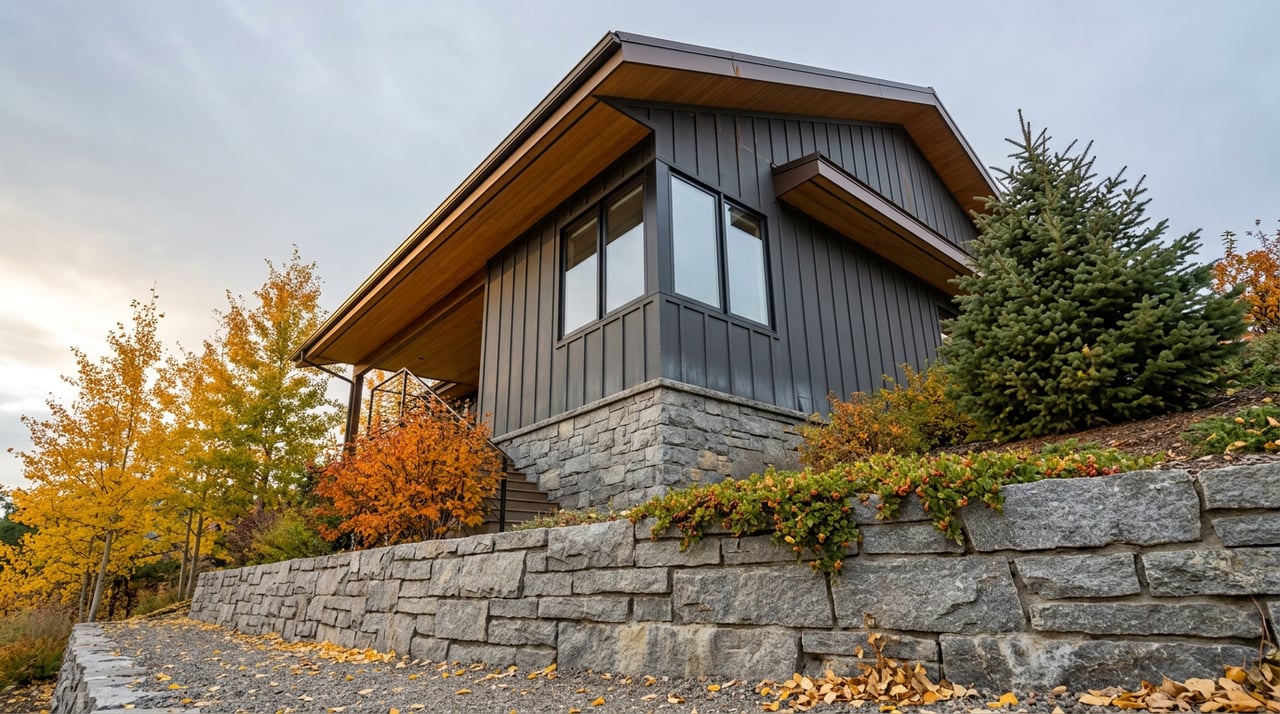
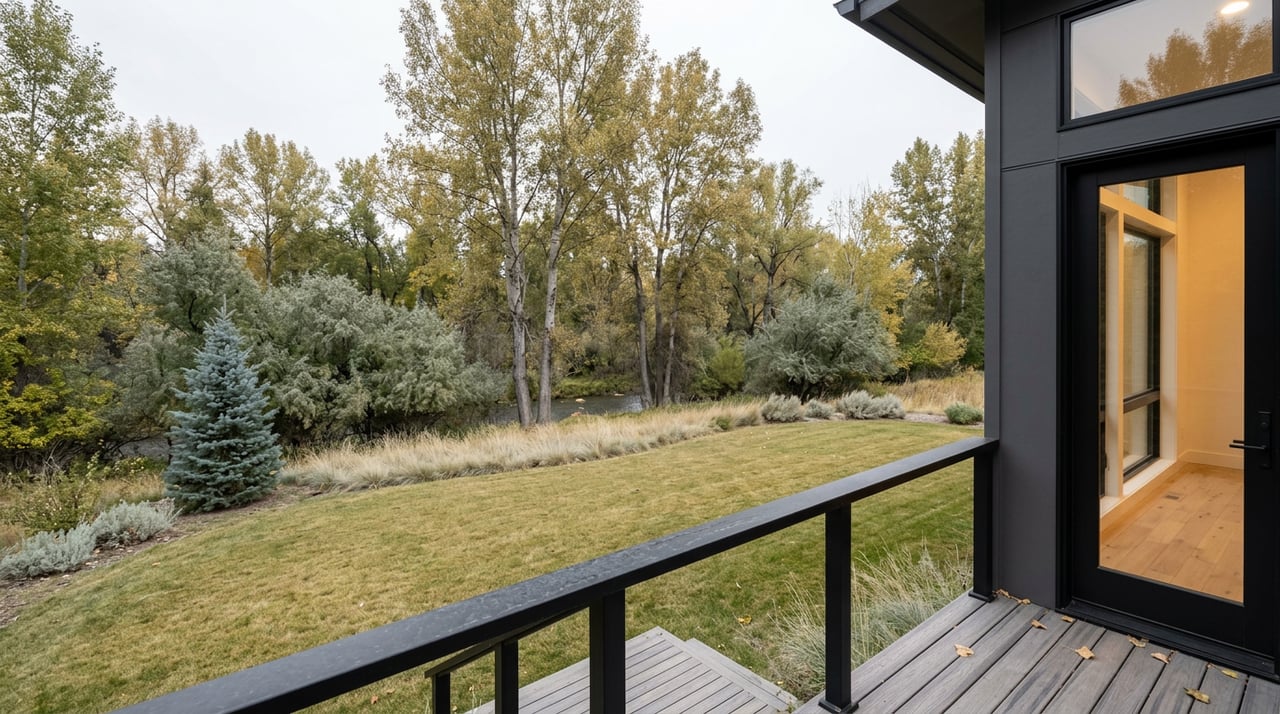
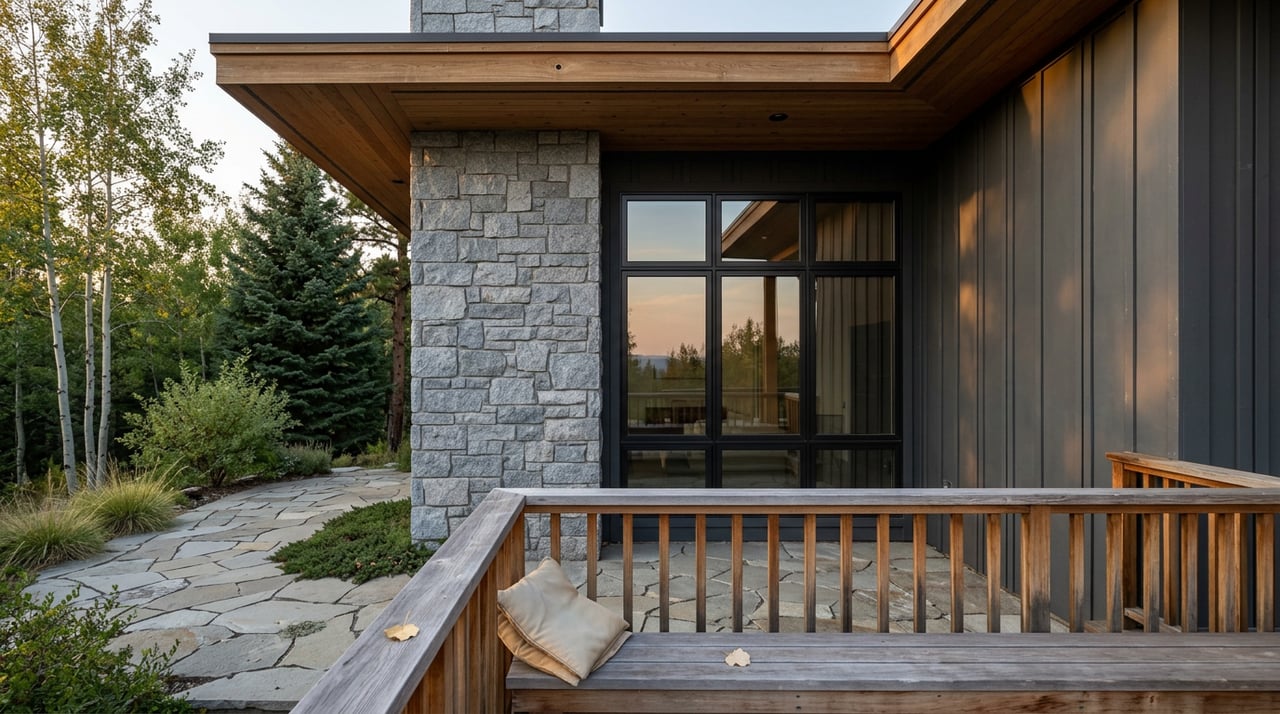
- The design-focused owner who enjoys downtime in a well-crafted home, schedules maintenance in fall, and opens the doors to friends in peak weeks.
Altitude and acclimation
At high elevation, you feel the sun and dry air more. Many newcomers build in time to acclimate, hydrate, and ease into activity. If you have specific health needs, confirm local care options and travel plans in case specialized treatment is required.
Is Breckenridge right for you?
You’ll know by spending time here in more than one season. Visit in winter to feel the peak energy, then return in fall to experience the quiet. Walk Main Street in the morning, ride the shuttle in the evening, and try a midweek grocery run. That contrast often clarifies whether this lifestyle fits your life.
When you are ready to explore homes that match how you want to live, schedule a private consultation with Marty Frank. You’ll get design-forward guidance, discreet service, and local insight on both lifestyle and ownership.
FAQs
Is Breckenridge practical for year-round living?
- Yes, many residents live here year-round. The pace and services shift by season, with peak energy in winter and summer and quieter shoulder periods in spring and fall.
How long is the drive from Denver to Breckenridge?
- In good conditions, plan for about 1.5 to 2 hours. Winter weather and holiday traffic can add time, and chain or 4WD rules may apply during storms.
What are the rules for short-term rentals in town?
- Licenses, taxes, occupancy limits, and neighborhood caps can apply. Check current Town of Breckenridge and Summit County policies before you buy.
How close are ski lifts to town neighborhoods?
- Lifts and base areas sit just above town, so many owners walk, shuttle, or take a short drive to access the mountain.
What extra home costs should I expect at altitude?
- Budget for snow removal, heating, winterization, and seasonal maintenance. If you are part-time, consider property management for oversight and care.
Is healthcare accessible for everyday needs?
- Summit County offers local emergency and urgent care. For specialized treatment, you may be referred to larger regional hospitals, so plan accordingly.