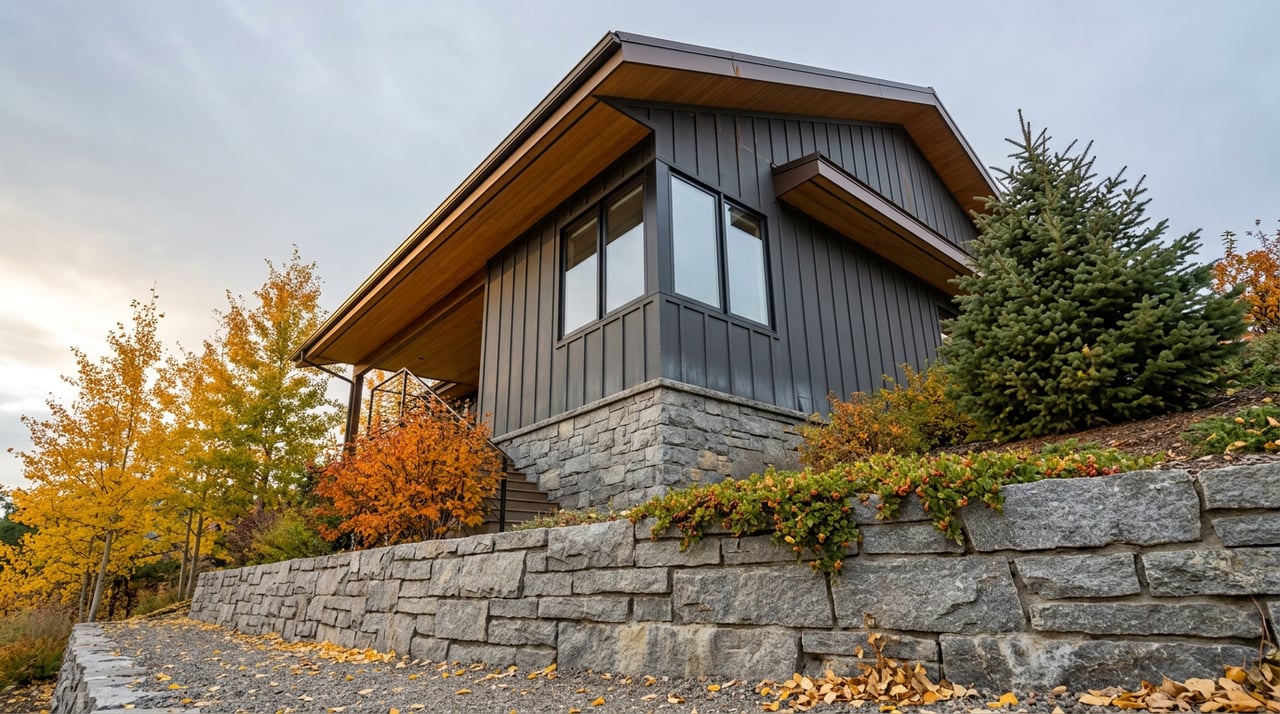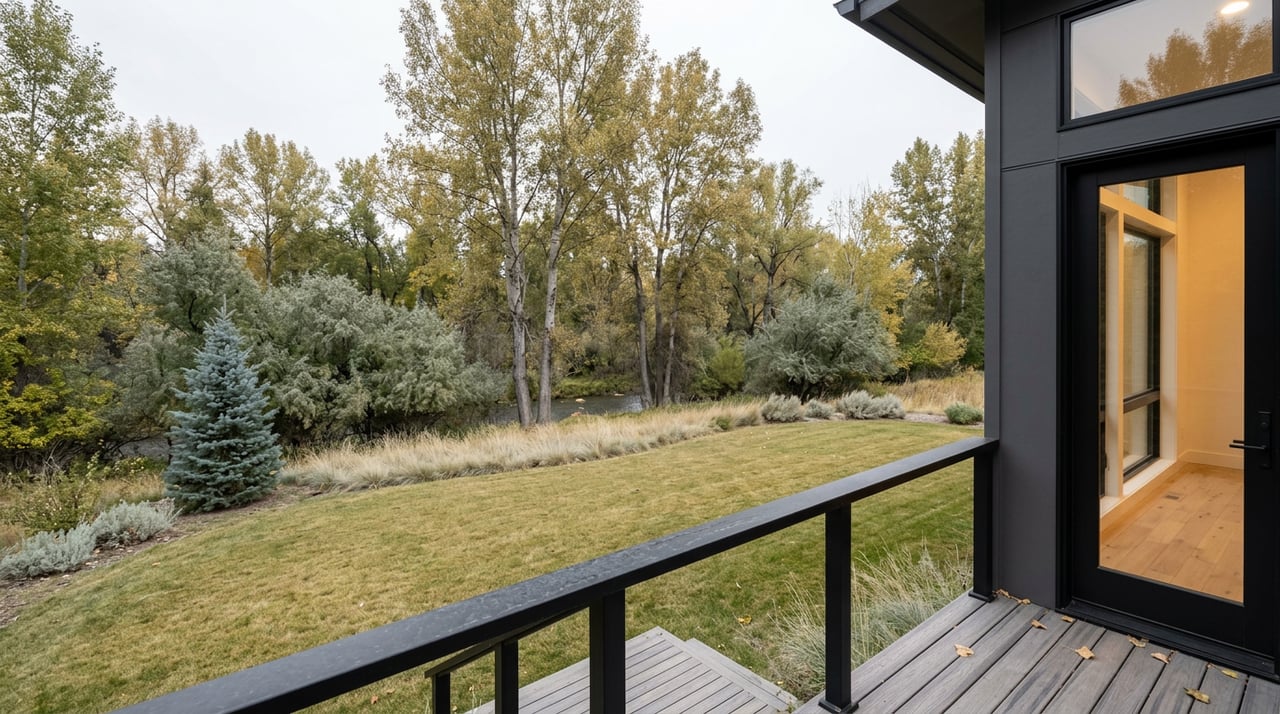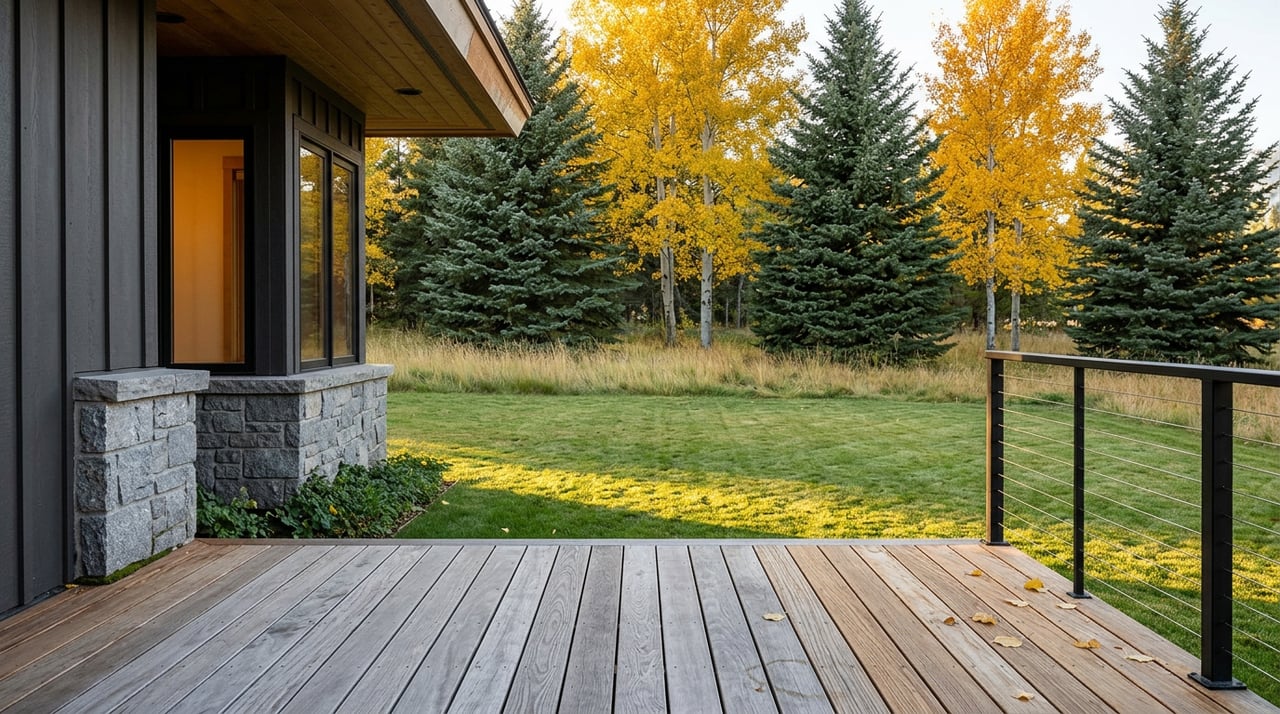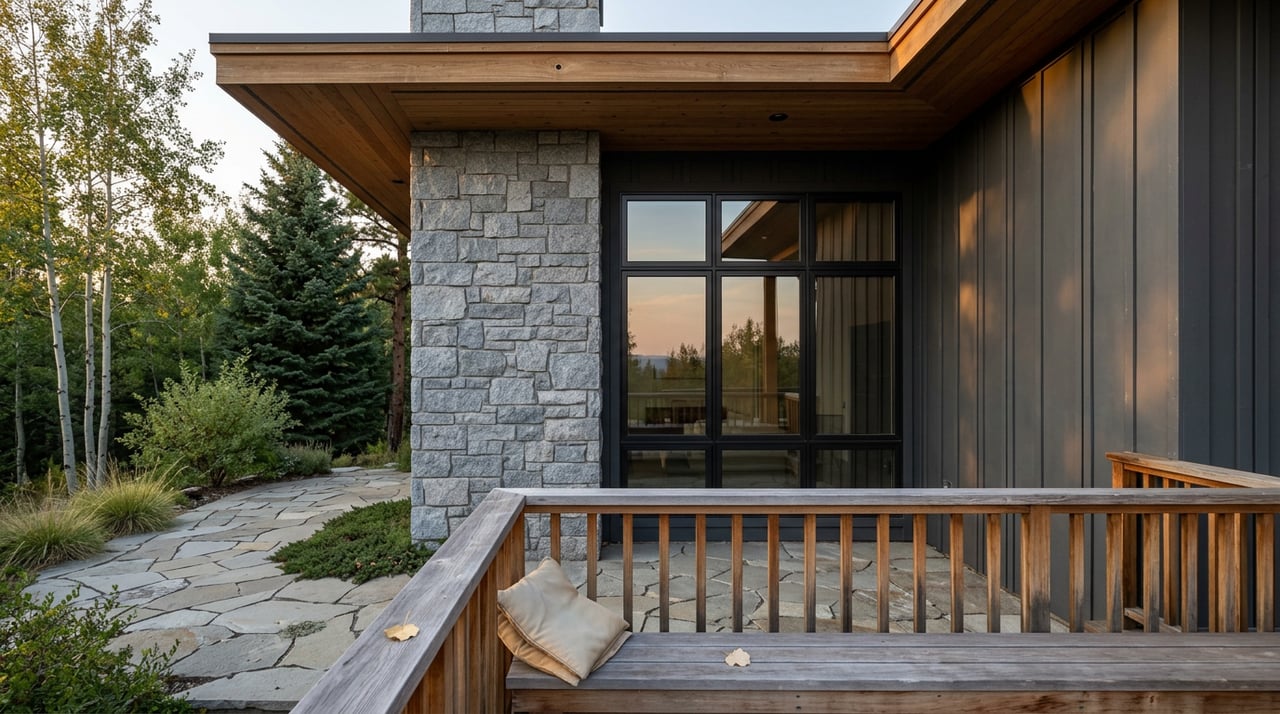
Buying or selling in the high Rockies comes with its own vocabulary. If you have ever wondered what ski-access really means, how mill levies affect taxes, or why roof snow load matters, you are not alone. This glossary translates the terms you will see in Breckenridge and across Summit County so you can make decisions with confidence. Keep it handy as you tour properties, review disclosures, and plan your next steps. Let’s dive in.
Property types in Breckenridge
Single-family residence (SFR)
A detached home on its own lot. In Breckenridge, SFRs range from in-town parcels to larger hillside sites. At higher elevations or off paved roads, plan for different snow removal, access, and utility considerations.
Townhome and rowhouse
Attached homes that share walls. Ownership can be fee-simple or condominium form. Review the association documents to understand maintenance responsibilities, exterior controls, parking, and rental policies.
Condominium (condo)
Ownership of a unit plus an undivided interest in common areas managed by an association. Condos are common near the ski resort and Main Street. They offer shared amenities and simplified maintenance, but rules, fees, and rental policies vary by building.
Fractional ownership and timeshare
An ownership interest for a set number of weeks each year. These products are popular in resort markets and differ from whole ownership in financing, resale rules, and owner usage. Confirm project eligibility with your lender before you go under contract.
Duplex, triplex, and multifamily
Two or more dwelling units on one property. In Breckenridge, zoning, parking, and utility metering vary by neighborhood. Verify local rules before assuming rental or redevelopment potential.
Vacant land and raw land
A parcel without structures. In the mountains, feasibility comes down to legal access, slope, building envelopes, geotechnical conditions, septic and well options, and utility availability. Budget time for studies and permits before you build.
Ski-in, ski-out, and ski-access
Properties with direct or nearby access to ski runs or lifts. Values often reflect proximity to the resort. Always confirm actual access, easements, and boundaries rather than relying on marketing descriptions.
Uphill and downhill orientation
Common shorthand for a home’s location relative to the valley floor or main roads. Uphill sites can offer bigger views but may bring steeper driveways and more snow management. Downhill locations can be closer to town, transit, and year-round services.
Mixed-use
Buildings that combine residential with street-level shops or offices. Downtown Breckenridge includes mixed-use zones. Check zoning and association documents for use limits, signage, and hours.
Accessory dwelling unit (ADU)
A secondary dwelling on the same lot. Local code and HOA rules control whether ADUs are allowed, how large they can be, and whether they affect short-term rental eligibility.
Site, environment, and access essentials
Elevation and altitude
Breckenridge sits around 9,600 feet. Elevation affects heating performance, snow management, building materials, and how quickly visitors acclimate. Expect different energy costs and maintenance needs than at lower elevations.
Building permits and inspections
Most construction and major remodels require permits and inspections through the Town of Breckenridge or Summit County. Permits help ensure structural, electrical, plumbing, and energy code compliance. Always confirm which jurisdiction applies to your property.
Snow load and roof design
Mountain roofs must be engineered for significant snow. Details like roof pitch, snow retention, ice dam prevention, and safe roof access matter for safety, maintenance, and insurance. Ask for the home’s build documents if available.
Avalanche hazard and easements
Some parcels sit in mapped avalanche paths or below steep slopes. Hazard status can influence siting, insurance, and mitigation, such as engineered deflection features. Review local maps and disclosures during due diligence.
Wildfire risk and defensible space
Mountain vegetation and topography can elevate wildfire exposure. Defensible space, ember-resistant details, and mitigation programs can improve safety and insurability. Check whether a property has completed mitigation or has requirements in place.
Floodplain and creek corridors
Creeks and alluvial fans can place sites in flood zones. Flood status can affect insurance, setbacks, and future permits. Verify mapping and ask about any past mitigation work.
Water: municipal vs wells and water rights
Many homes in town connect to municipal water and sewer. Outside town limits, some properties rely on wells and septic, and western water-rights rules may apply. Confirm taps, well records, and any water-rights details early.
Septic vs municipal sewer
Septic systems require soil suitability, setbacks, and adequate space for a drainfield. Summit County Public Health permits and inspects systems. Replacement costs and site constraints should factor into your offer.
Access, easements, and right-of-way
Legal access is essential on mountain parcels. Private roads, recorded easements, snow-plow agreements, and shared maintenance all affect year-round usability and costs. Confirm everything in the title commitment and seller disclosures.
Slope stability and geotechnical
Steeper lots often require geotechnical studies. Engineering can influence foundation design, retaining walls, and overall build costs. Budget for additional time and consultants when planning new construction.
Utilities: gas, electric, and telecom
Service availability varies by neighborhood. Some homes use natural gas, while others rely on propane. Remote properties may need private solutions for telecom and backup power. Verify providers and recent utility bills.
Environmental protections and habitat
Wetlands, streams, and wildlife corridors can limit disturbance or require mitigation. Expect permitting and potential buffers near sensitive areas.
Financial and closing terms to know
Market value, assessed value, and taxable value
Market value is what a property would sell for. Assessed value is what the assessor uses to calculate taxes. Taxable value reflects assessed value minus exemptions and is the basis for your property tax bill.
Mill levy and property tax
Property taxes are the taxable value multiplied by the combined mill levies for your districts. In Summit County, multiple taxing entities can apply. Levies vary by parcel, so compare taxes when you compare homes.
Transfer taxes and recording fees
Some jurisdictions charge transfer taxes or documentary fees at closing, and all records are filed with the clerk and recorder. Confirm current costs for your specific property before you finalize estimates.
Title insurance and title commitments
Title insurance protects you from covered defects in ownership that were not found in public records. Review the title commitment and all exceptions for easements, covenants, and liens that affect use or value.
Deed types: warranty vs quitclaim
A warranty deed provides the seller’s guarantee of clear title. A quitclaim deed conveys the seller’s interest without warranty. Understand which deed type is used in your transaction and why.
HOA special assessments and reserves
Special assessments fund major repairs or improvements. A reserve study estimates future capital needs and whether dues are adequate. Review budgets, reserves, and meeting minutes for assessment risk.
Financing for condos, land, and STRs
Lender rules vary by property type and project. Some condo buildings, fractional products, and STR-heavy properties have additional underwriting requirements. Vacant land loans typically require larger down payments and different terms.
STR income and lodging taxes
Short-term rental income is taxable. Local lodging or occupancy taxes can apply, and rules differ inside and outside town limits. If you plan to rent, account for licensing, taxes, and reporting.
Capital gains and 1031 exchanges
Primary residence exclusions and 1031 exchanges can affect your tax outcome. Exchanges can defer gains for investment property, but timing and rules are strict. Coordinate early with your tax professional.
HOAs, communities, and STR rules
HOA basics and CC&Rs
Homeowners associations govern common areas and enforce covenants, conditions, and restrictions. These documents set standards for exteriors, parking, pets, rentals, and noise. Read them closely during due diligence.
Reserve studies
A reserve study evaluates long-term capital needs, such as roofs, siding, elevators, and garages. Strong reserves reduce the chance of surprise assessments. Ask for the most recent study and plan.
STR licenses and permits
The Town of Breckenridge and Summit County have short-term rental licensing and permitting that can differ by location. Expect rules on safety, occupancy, parking, and taxes. Verify what is allowed for your address at the time you buy.
STR zoning and deed restrictions
Zoning overlays and recorded covenants can limit or prohibit short-term rentals. Always confirm zoning and any deed restrictions in writing, and cross-check with the association.
Quiet hours and enforcement
Local nuisance rules address noise, trash, and parking. Fines and penalties can apply to both guests and owners. Factor these rules into your rental plan and house rules.
Property management and concierge
Many owners use local managers to handle marketing, cleaning, guest services, and compliance. Review management agreements for fees, reporting, and cancellation terms.
Parking and shuttles
Mountain towns have limited parking. Some buildings rely on shuttle access to lifts and Main Street. Parking capacity and transit options can affect rental permits and guest experience.
How to use this glossary
Use these definitions as a working checklist while you tour, underwrite, and negotiate. For any rule or fee that could change, verify current requirements with the town or county. For title, water, tax, or structural questions, engage qualified local professionals. A clear understanding of these terms will save you time, money, and stress, and will help you focus on what matters most: the right mountain property for your lifestyle.
If you want a guided, design-forward approach to buying or selling in Breckenridge, reach out to Marty Frank for a private consultation and a plan that fits your goals.
FAQs
What does ski-in/ski-out really mean in Breckenridge?
- It refers to direct or near-direct access to ski runs or lifts, but you should confirm legal access, easements, and resort boundaries rather than relying on marketing terms.
How does Breckenridge’s elevation affect my home and stay?
- At roughly 9,600 feet, you can expect different heating needs, more snow management, and a period of acclimatization for guests, which can influence design choices and utility costs.
What should I check before buying vacant land in Summit County?
- Verify legal access, slope stability, geotechnical needs, septic feasibility, well or water taps, utility availability, and any environmental buffers or building envelopes.
How do HOA dues relate to future special assessments?
- Review the HOA’s reserve study, current reserves, budgets, and recent meeting minutes to gauge whether dues match long-term capital needs and whether assessments are likely.
What is a mill levy and how does it set my taxes?
- A mill levy is the tax rate from each taxing district; your property tax equals your taxable value multiplied by the combined mill levies that apply to your parcel.
Are short-term rentals allowed at every Breckenridge address?
- No. STR rules vary by jurisdiction, zoning overlays, and recorded covenants, so you should confirm permissions and licensing requirements for the specific property.
Do I need a title policy if the seller provides a warranty deed?
- Yes. A warranty deed provides the seller’s guarantee, while title insurance protects you against covered title defects; review the title commitment for exceptions.
What is the difference between municipal sewer and septic in the mountains?
- Municipal sewer connects to a public system, while septic treats wastewater on site, which requires suitable soils, permits, and space for a drainfield and may impact improvements.